
Aimix Batching Concrete Plant
Starting a Local Concrete Production Business with a Portable Concrete Batching Plant
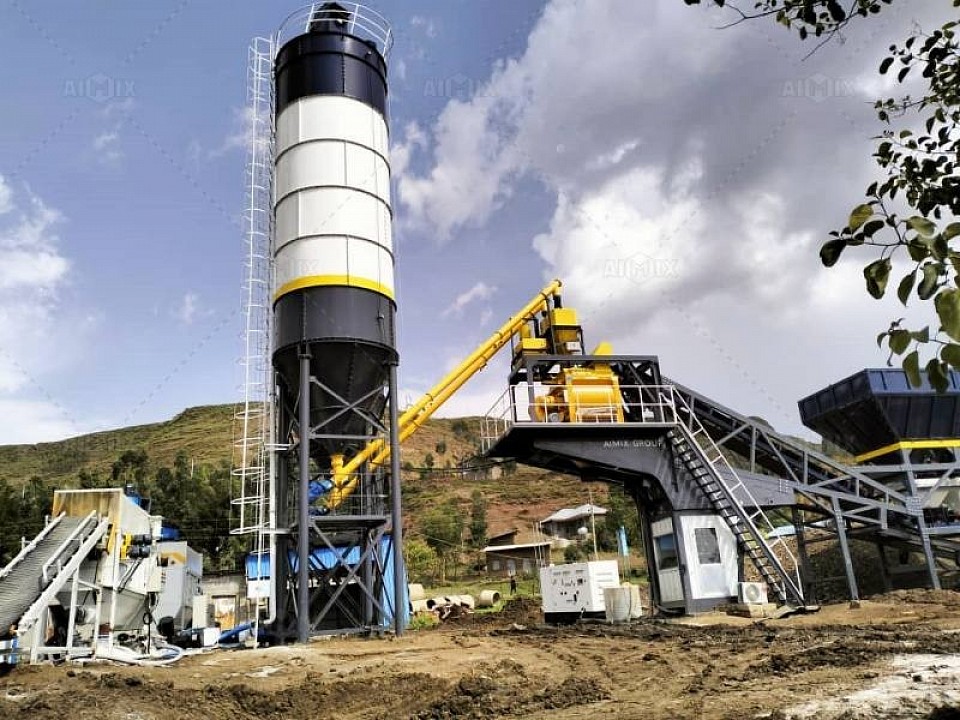
The construction industry is one of the fastest-growing sectors globally, with demand for concrete consistently increasing due to urbanization, infrastructure projects, and residential developments. For entrepreneurs and small contractors, entering the concrete supply market can be a profitable opportunity. One of the most practical solutions for establishing a local concrete production business is investing in a portable concrete batching plant. These compact, mobile, and highly efficient plants allow businesses to produce high-quality concrete on-site or near construction projects, reducing costs, improving delivery speed, and providing flexibility to meet customer demand.
Why Choose a Portable Concrete Batching Plant?
A portable concrete batching plant offers numerous advantages over traditional stationary plants. First, it is designed for mobility, meaning it can be transported easily between sites. This is particularly valuable for contractors or businesses serving multiple construction projects in different locations. Rather than relying on a distant stationary plant and incurring transportation costs, a portable plant can be set up near the project site, ensuring timely delivery of fresh concrete.
Second, portable plants require less space and infrastructure. Many models come in modular designs, allowing quick assembly and disassembly. This compact structure reduces the need for extensive site preparation, making it feasible to operate in urban areas, constrained plots, or temporary project sites. For startups and small-scale businesses, these features are critical in minimizing upfront investment while maximizing operational flexibility.
Benefits of Starting a Local Concrete Business
Starting a local concrete production business with a portable batching plant offers several key benefits:
Reduced Transportation Costs: By producing concrete close to construction sites, businesses can significantly reduce transportation expenses. This also helps in minimizing delays, as concrete is delivered fresh and ready to use.
Consistent Concrete Quality: Portable concrete plants are equipped with precise weighing systems, mixers, and automated control systems. These ensure that each batch of concrete meets strict quality standards, enhancing reliability and customer satisfaction.
Operational Flexibility: Small contractors or local suppliers can quickly adjust production capacity based on project requirements. Whether supplying concrete for a residential complex, a small road project, or a bridge, portable plants can scale production efficiently.
Cost Efficiency: Lower installation and maintenance costs compared to stationary concrete plants make portable batching plants a viable solution for small and medium-sized businesses. The modular design also allows businesses to start small and expand operations as demand grows.
Steps to Establish a Concrete Production Business
Market Research and Site Selection
Before investing in a portable concrete batching plant, entrepreneurs should conduct thorough market research. Identify local demand for ready-mix concrete, key competitors, and potential customers such as contractors, developers, and government projects. Choosing an optimal site is also crucial; it should be accessible for both raw material supply and concrete delivery, while meeting zoning and environmental regulations.
Selecting the Right Plant
Not all portable concrete batching plants are the same. Evaluate options based on production capacity, mobility, automation level, and compatibility with different concrete types. Many suppliers offer mini concrete batching plant for sale models suitable for small-scale operations. These compact units are ideal for startups looking to enter the market without excessive upfront investment.
Installation and Setup
Portable plants are designed for quick installation, but site preparation remains essential. Ensure the foundation is level and stable, and that there is proper access for trucks delivering raw materials and transporting concrete. Modular design allows most units to be operational within a few days, helping businesses start production quickly.
Staff Training and Operational Procedures
Hiring trained personnel to operate the plant is essential for quality control. Operators should understand batching processes, mixing times, material handling, and equipment maintenance. Many portable concrete batching plant suppliers provide training programs for new operators, ensuring that production is safe, efficient, and consistent.
Quality Control and Testing
Maintaining high-quality concrete is critical for business success. Regular testing of mix ratios, slump, and compressive strength helps ensure compliance with industry standards. Automated control systems in modern plants facilitate accurate batching, reducing human error and material wastage.
Marketing and Customer Relations
A local concrete business thrives on relationships with contractors, developers, and construction companies. Highlight the advantages of locally produced concrete, including faster delivery, customizable mix designs, and consistent quality. Building a reputation for reliability and service responsiveness can lead to repeat contracts and word-of-mouth referrals.
Advantages Over Traditional Suppliers
Investing in a portable concrete batching plant provides a competitive edge over relying solely on large, centralized suppliers:
Faster Delivery Times: Producing concrete close to the construction site ensures it arrives fresh and ready for use, improving project timelines.
Customization: Local production allows for tailored concrete mixes according to specific project requirements, such as high-strength, fiber-reinforced, or lightweight concrete.
Cost Savings: Eliminating long-distance transport reduces fuel expenses, material waste, and overall project costs.
Environmental Benefits: Portable plants equipped with dust control systems minimize pollution and meet environmental standards, making the business eco-friendly.
Expanding Opportunities
As your local concrete production business grows, a portable batching plant allows for expansion without significant capital investment. Additional modular units can be added to increase production capacity. You can also invest in complementary equipment such as concrete pumps, storage silos, and mobile delivery trucks to offer comprehensive on-site concrete services. Over time, establishing strong relationships with contractors and municipal projects can secure steady demand, ensuring business sustainability and growth.
Conclusion
Starting a local concrete production business with a portable concrete batching plant is an effective strategy for entrepreneurs and small contractors seeking to enter the ready-mix concrete market. With advantages including mobility, cost efficiency, operational flexibility, and consistent quality, portable plants provide the tools necessary to meet local concrete demand effectively. For small-scale operations, mini concrete batching plant for sale models offer an ideal starting point, balancing affordability with production capabilities. By combining high-quality production, strategic site selection, and strong customer relationships, a local concrete business built around portable batching plants can thrive in today’s competitive construction industry.
Energy‑Efficient and Low‑Emission Concrete Batching Plant in UAE: Reducing Operational Costs
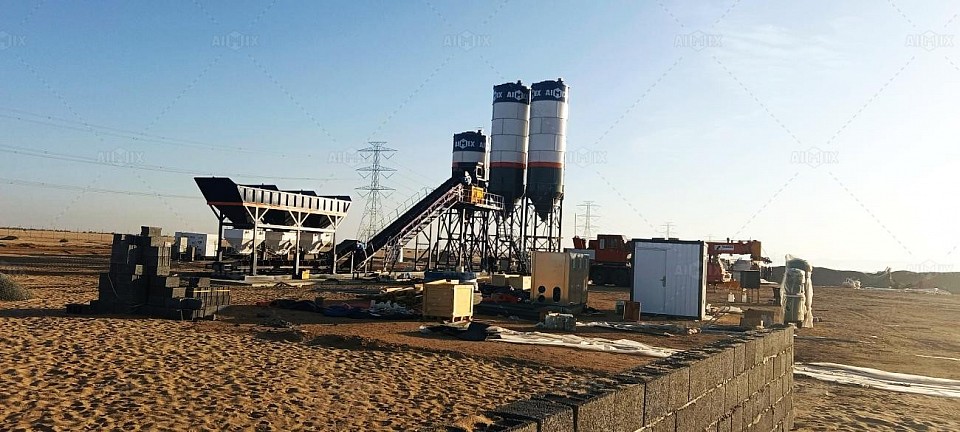
The construction and infrastructure sectors in the United Arab Emirates (UAE) continue to expand rapidly, driven by mega‑projects in urban development, transportation, and industrial zones. Amid this growth, sustainability and operational efficiency have become key priorities for contractors, ready‑mix suppliers, and investors. Choosing an energy‑efficient and low‑emission concrete batching plant in UAE not only reduces environmental impact but also enhances profitability by lowering operating costs over the lifecycle of the equipment.
Concrete production is inherently energy‑intensive, involving heavy machinery, high electricity consumption, and fuel usage. Traditional batching plants often generate significant dust, noise, and greenhouse gas emissions. In response, modern concrete plant manufacturers are innovating with smarter designs, advanced automation, and environmentally friendly systems that cut costs and help clients comply with strict local regulations. In the UAE, where sustainability standards are steadily rising, selecting the right batching plant makes both financial and environmental sense.
Understanding Energy Efficiency in Batching Plants
Energy efficiency in a batching plant goes far beyond simply using less electricity. It involves optimizing the entire production workflow — from material handling and batching to mixing and discharge — to reduce power draw and fuel usage without compromising concrete quality.
Leading concrete plant manufacturers integrate variable‑frequency drives (VFDs), high‑efficiency motors, and automated control systems into their designs. VFDs adjust motor speed based on load demand, reducing unnecessary energy consumption during idle periods or light workloads. High‑efficiency motors operate with reduced electrical losses, while intelligent control systems monitor plant performance in real time and adjust processes dynamically to minimize waste.
For instance, precise aggregate weighing and optimized mixer runtimes ensure that each batch uses only the required energy and materials. In traditional plants, over‑mixing or inefficient control strategies can result in excessive power draw and higher operating costs. Energy‑efficient designs mitigate these inefficiencies, translating into lower electricity bills and reduced fuel consumption for auxiliary equipment such as conveyors and pumps.
Reducing Emissions with Advanced Technology
Emissions from a concrete batching plant come from multiple sources — diesel generators, aggregate handling, cement silos, and material transfer points. Dust particulates, volatile organic compounds (VOCs), and carbon emissions are common concerns, particularly in urban or regulated zones like Dubai, Abu Dhabi, and Sharjah.
Modern batching plants employ dust suppression and filtration systems, such as baghouse collectors and enclosed conveyor lines, to significantly reduce particulate emissions. Instead of allowing cement dust to escape during transfer and storage, these systems capture fine particles and funnel them into a controlled disposal or recycling unit. Baghouse filters use fabric membranes that trap dust while allowing clean air to pass through, dramatically improving air quality on site.
In addition to dust control, low‑emission plants often feature hybrid power systems that reduce reliance on diesel generators. For sites with access to stable grid electricity, plants can operate primarily on electric power, cutting carbon emissions and fuel costs. Some concrete plant manufacturers even offer solar integration options, permitting portions of the plant to run on renewable energy — a compelling advantage in the sunny UAE climate.
Cost Savings Through Smart Automation and IoT Integration
Automation and digital control systems are essential components of energy‑efficient batching plants. By integrating Internet of Things (IoT) sensors, fleet management software, and programmable logic controllers (PLCs), operators can optimize every stage of production.
Real‑time monitoring allows plant managers to track energy consumption, identify bottlenecks, and detect maintenance needs before failures occur. With predictive analytics, the system can recommend schedule adjustments or maintenance tasks that prevent downtime and costly repairs. Software dashboards enable remote supervision, reducing the need for onsite staff and increasing operational flexibility.
Automated batching ensures that material proportions are precise, reducing waste and minimizing rework. In concrete production, overuse of cement not only raises costs but also increases carbon footprint. Smart batching controls material usage, lowering both cost and emissions, while maintaining consistent concrete quality. For UAE clients focused on sustainable construction, these automation features provide measurable ROI over time.
Environmental Compliance and Local Regulations
The UAE has increasingly stringent environmental regulations tied to air quality, noise pollution, and industrial emissions. Authorities in Dubai and Abu Dhabi enforce standards that require batching plants to manage dust, wastewater, and noise levels effectively. Failure to comply can result in fines, permit restrictions, and reputational damage.
Energy‑efficient batching plants contribute directly to regulatory compliance. When dust control systems operate correctly, and emissions are captured at source, the plant aligns with local air quality standards. Noise‑dampening structures and proper equipment spacing also help reduce acoustic impact. In terms of wastewater, modern plants often integrate recycling systems that minimize discharge and reuse process water, which supports both sustainability and compliance.
Contractors and investors in the UAE must therefore consider environmental performance as part of the total cost of ownership. A slightly higher concrete batching plant in UAE acquisition cost may be justified by long‑term savings in energy bills, reduced fines, and improved community relations.
Choosing the Right Concrete Plant Manufacturer
Not all batching plants are created equal. In the UAE market, selecting the right manufacturer influences long‑term operational efficiency and sustainability. Top concrete plant manufacturers offer customized solutions instead of one‑size‑fits‑all designs. They assess project scale, site conditions, material characteristics, and local regulations before proposing plant configurations that deliver optimal performance.
Key factors to evaluate when choosing a supplier include:
Energy‑saving features — such as VFDs, high‑efficiency motors, and intelligent batching control.
Emission control systems — including enclosed conveyors, baghouse filters, and hybrid power options.
Automation and data analytics — for real‑time monitoring, predictive maintenance, and waste reduction.
Local support and after‑sales service — ensuring fast response times, spare parts availability, and installation support.
Manufacturers with a proven track record in the Middle East or Gulf region often have deeper insights into local regulatory requirements and environmental conditions, helping buyers avoid compliance pitfalls.
Long‑Term Value and ROI
Purchasing an energy‑efficient, low‑emission concrete batching plant in the UAE is ultimately an investment in future competitiveness. While upfront costs may be slightly higher than basic models, the long‑term benefits often outweigh initial spending. Reduced energy consumption, lower fuel bills, minimal waste, and better environmental compliance contribute to lower operating expenses over the plant’s lifecycle.
Additionally, clients who prioritize sustainability may gain competitive advantages in tenders and large‑scale projects where environmental performance is increasingly factored into contractor selection. For ready‑mix suppliers, demonstrating low emissions and energy efficiency can also build stronger business relationships with environmentally conscious developers.
Conclusion
In the UAE’s fast‑evolving construction market, an energy‑efficient and low‑emission concrete batching plant is more than a production asset — it is a strategic tool that reduces operational costs, supports environmental compliance, and enhances long‑term competitiveness. By partnering with experienced concrete plant manufacturers, buyers can implement advanced technologies that deliver measurable savings while meeting the UAE’s sustainability goals.
Utilization Rate Optimization for Mobile Batching Plant for Sale Owners
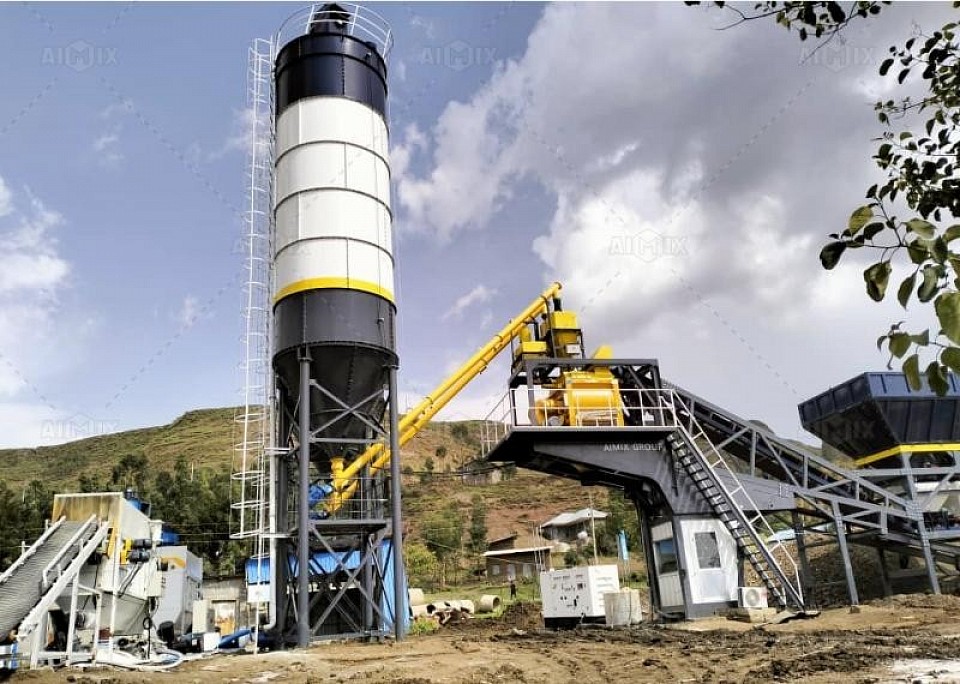
For investors and contractors who purchase a mobile batching plant for sale, maximizing utilization rate is the key to achieving strong return on investment. Unlike stationary facilities that operate in fixed markets, mobile plants are designed for flexibility and relocation. However, flexibility alone does not guarantee profitability. The real financial performance depends on how efficiently the plant is scheduled, deployed, and integrated into project pipelines.
In recent years, many buyers have shown interest in a china mobile concrete batching plant due to competitive pricing and improving technology standards. While acquisition cost may be attractive, long-term profitability ultimately relies on how consistently the plant operates near its designed capacity. Optimizing utilization rate ensures that equipment investment translates into steady revenue generation rather than idle depreciation.
Understanding Utilization Rate in Mobile Batching Operations
Utilization rate refers to the percentage of actual production output compared to the plant’s maximum rated capacity over a given period. For example, if a 90m³/h plant operates at an average of 60m³/h across working hours, its utilization rate is approximately 67%.
For owners of a mobile batching plant for sale, underutilization can significantly extend payback periods. Since fixed costs such as depreciation, insurance, and financing remain constant regardless of production volume, higher utilization directly lowers per-cubic-meter production costs.
A china mobile concrete batching plant often offers modular design and fast installation, which supports improved utilization. However, strategic planning—such as aligning project schedules and securing continuous contracts—is necessary to keep the plant consistently active.
Strategic Project Scheduling and Contract Management
One of the most effective ways to improve utilization rate is securing overlapping or consecutive project contracts. Mobile plants are commonly used in road construction, bridge works, and remote infrastructure projects. Instead of completing one project and waiting for the next opportunity, owners should plan project transitions in advance.
When purchasing a mobile batching plant for sale, owners should analyze local construction cycles and seasonal demand. Infrastructure-heavy regions typically provide more stable opportunities. Coordinating relocation logistics before project completion minimizes idle time between assignments.
For buyers of a china mobile concrete batching plant, working with reliable suppliers who provide technical support during dismantling and reinstallation can shorten relocation time. Faster redeployment increases annual operating days, directly boosting utilization rate.
Capacity Matching and Demand Forecasting
Selecting the correct plant capacity is essential for optimization. Overestimating demand leads to lower utilization percentages, while underestimating capacity may result in supply shortages and lost contracts.
Owners of a mobile batching plant for sale should conduct detailed demand forecasting before purchase. Evaluating average daily concrete requirements, peak production needs, and long-term infrastructure plans helps determine the most suitable capacity range.
Many china mobile concrete batching plant manufacturers offer models ranging from 25m³/h to 120m³/h or higher. Choosing a capacity aligned with realistic demand ensures the plant can operate near its designed output rather than consistently below it.
Operational Efficiency and Downtime Reduction
Operational downtime directly reduces utilization rate. Preventive maintenance programs are critical for ensuring consistent production performance. Regular inspection of mixers, conveyor belts, weighing systems, and control panels prevents unexpected breakdowns.
A high-quality china mobile concrete batching plant typically includes automated control systems that improve batching accuracy and reduce human error. Automation also shortens cycle times, enabling higher hourly output without increasing labor costs.
Spare parts availability is another key factor. Owners should establish reliable supply chains for wear parts such as mixer blades and liners. Quick replacement reduces downtime and keeps the plant running smoothly during intensive project phases.
Workforce Training and Performance Optimization
Human resource management plays an important role in utilization rate. Skilled operators can optimize mixing cycles, reduce material waste, and handle troubleshooting efficiently. In contrast, insufficient training may cause production delays and inconsistent output.
When purchasing a mobile batching plant for sale, buyers should prioritize suppliers who provide comprehensive training services. Many reputable china mobile concrete batching plant manufacturers include remote technical guidance or on-site commissioning support to ensure smooth startup.
Performance monitoring systems also help optimize workforce productivity. Real-time production data allows managers to identify inefficiencies and adjust operating procedures accordingly.
Relocation Efficiency and Asset Mobility
Mobility is the core advantage of a mobile batching plant for sale. However, relocation itself must be managed efficiently to avoid long idle periods. Standardized disassembly procedures and pre-planned transport logistics can significantly shorten downtime between projects.
A well-designed china mobile concrete batching plant typically features trailer-mounted or modular structures that simplify transportation. Owners should maintain clear relocation checklists and coordinate with local authorities for permits in advance.
By minimizing the transition period from one site to another, owners can increase the total number of operational days per year, directly improving overall utilization rate.
Market Diversification and Revenue Stability
Relying on a single project type can expose plant owners to demand fluctuations. Diversifying service offerings—such as supplying concrete for residential developments, municipal works, and private industrial projects—creates more consistent production schedules.
A mobile batching plant for sale can serve both temporary project needs and local commercial supply if strategically positioned. In some cases, owners of a china mobile concrete batching plant expand into ready-mix supply during off-peak infrastructure seasons to maintain steady output.
Diversification reduces idle capacity and strengthens financial resilience in competitive markets.
Conclusion
Utilization rate optimization is essential for maximizing the profitability of a mobile batching plant for sale. Strategic contract planning, accurate capacity selection, preventive maintenance, workforce training, and efficient relocation management all contribute to higher operational performance.
While a china mobile concrete batching plant may offer cost advantages and advanced modular design, its financial success ultimately depends on consistent deployment and effective management. By focusing on maximizing active production days and aligning capacity with real demand, plant owners can significantly improve return on investment and secure long-term competitiveness in the concrete production industry.
Emerging Technologies That Reduce the Overall Cost of Concrete Batching Plant
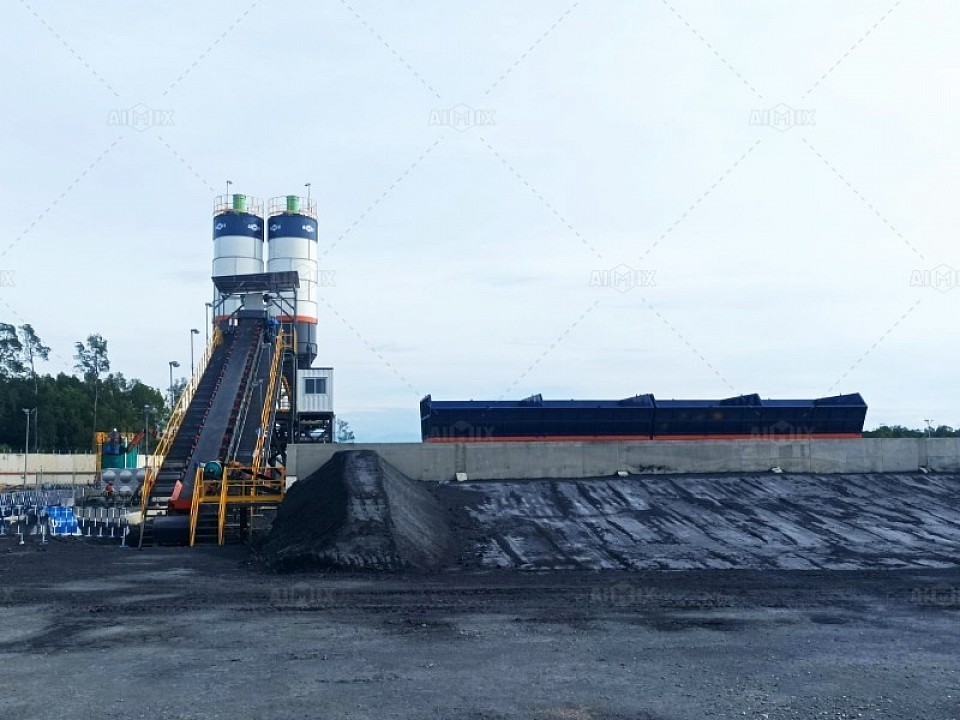
The construction industry is undergoing rapid transformation, driven by urbanization, infrastructure growth, and rising demand for sustainable and efficient operations. One critical component of modern construction is the concrete batching plant, which produces ready-mix concrete for a variety of applications. While concrete batching plants are essential, their cost can be substantial, making efficiency, technology, and innovation key factors in reducing operational and capital expenditures.
For new entrants exploring this sector, understanding emerging technologies is crucial not only for cost optimization but also for planning long-term investments. For contractors and investors asking how to start a concrete plant, integrating these technologies can provide a competitive advantage and ensure sustainable operations from day one.
Automation and Advanced Control Systems
One of the most significant technological developments in concrete batching plants is automation. Traditional plants rely heavily on manual processes, which can lead to human error, inconsistent mix quality, and production delays. Modern plants, however, integrate fully automated control systems that handle batching, mixing, weighing, and dispatching.
Automation reduces material wastage by ensuring precise measurement of aggregates, cement, and admixtures. This accuracy not only improves concrete quality but also lowers operational costs by preventing overuse of materials. In addition, automated systems allow plant operators to monitor performance in real time, optimizing production schedules and reducing downtime.
For individuals or companies learning how to start a concrete plant, investing in automated systems can mean fewer operators are required, reducing labor costs while improving consistency. Even though the initial investment in automation may be higher, the long-term savings from reduced waste and higher efficiency often offset these costs.
Modular and Mobile Plant Design
Another technology that reduces costs is modular and mobile concrete batching plants. Modular plants are constructed with prefabricated units that can be easily assembled, disassembled, or expanded as demand grows. Mobile plants, on the other hand, allow relocation to multiple project sites, avoiding the need for multiple stationary plants.
These designs significantly reduce infrastructure and site preparation costs. Contractors do not need to invest heavily in civil works or permanent foundations, and relocation is simple compared to traditional stationary plants. This flexibility also supports phased project execution and allows companies to respond quickly to varying market demands.
For aspiring plant owners wondering how to start a concrete plant, choosing a modular or mobile system can lower entry barriers, reduce capital commitment, and provide the freedom to scale operations as business grows. These systems are particularly useful for contractors serving multiple regional projects, minimizing transportation costs and improving operational efficiency.
Energy-Efficient Equipment
Energy costs constitute a major portion of a concrete plant’s operating expenses. Emerging technologies focus on energy-efficient motors, variable-frequency drives (VFDs), and optimized mixing systems. By reducing energy consumption without compromising productivity, these systems lower overall operating costs significantly.
For example, high-efficiency mixers consume less power while maintaining mixing quality, and VFDs allow motors to operate at optimal speeds depending on load, rather than running at full power constantly. Some plants also integrate energy recovery systems to harness waste heat from certain operations.
Understanding these technologies is important for anyone considering how to start a concrete plant, as energy-efficient equipment directly translates into lower monthly operating costs. Over the lifespan of a plant, energy savings can amount to tens of thousands of dollars, improving the financial sustainability of the business.
Real-Time Monitoring and IoT Integration
The integration of IoT (Internet of Things) devices and real-time monitoring systems is another emerging trend that reduces concrete batching plant costs. Sensors installed on mixers, conveyors, silos, and pumps provide live data on material levels, production rates, and equipment health.
This technology enables predictive maintenance, alerting operators to potential issues before they lead to costly downtime. By avoiding unexpected equipment failures, contractors can maintain continuous production, which is especially important for large-scale projects with tight deadlines.
For new business owners learning how to start a concrete plant, IoT-enabled monitoring can also streamline logistics, track concrete deliveries, and ensure quality control, reducing material loss and improving overall efficiency. Data-driven decision-making allows plant managers to optimize operations and lower indirect costs.
Sustainable Materials and Waste Reduction
Emerging technologies also include innovations in materials handling and waste management. Advanced batching plants now integrate systems for recycling water, capturing dust, and reusing leftover concrete or aggregate. These features reduce environmental impact while lowering costs associated with raw materials and waste disposal.
Incorporating sustainable practices can also improve compliance with local regulations and enhance the market reputation of a concrete supplier. For anyone considering how to start a concrete plant, selecting equipment with integrated waste reduction systems ensures operational efficiency and long-term profitability.
Conclusion
Emerging technologies are reshaping the concrete batching plant industry, offering innovative ways to reduce both capital and operational costs. Automation, modular and mobile designs, energy-efficient equipment, IoT monitoring, and sustainable materials all contribute to lowering overall plant costs while improving efficiency and quality.
For contractors and investors seeking to enter the market, understanding these technologies is critical. When planning how to start a concrete plant, leveraging these innovations not only reduces risk but also positions the business for long-term growth, competitiveness, and sustainability.
Scaling Production: Selecting the Right Type of Ready Mix Concrete Plant for Growing Demand
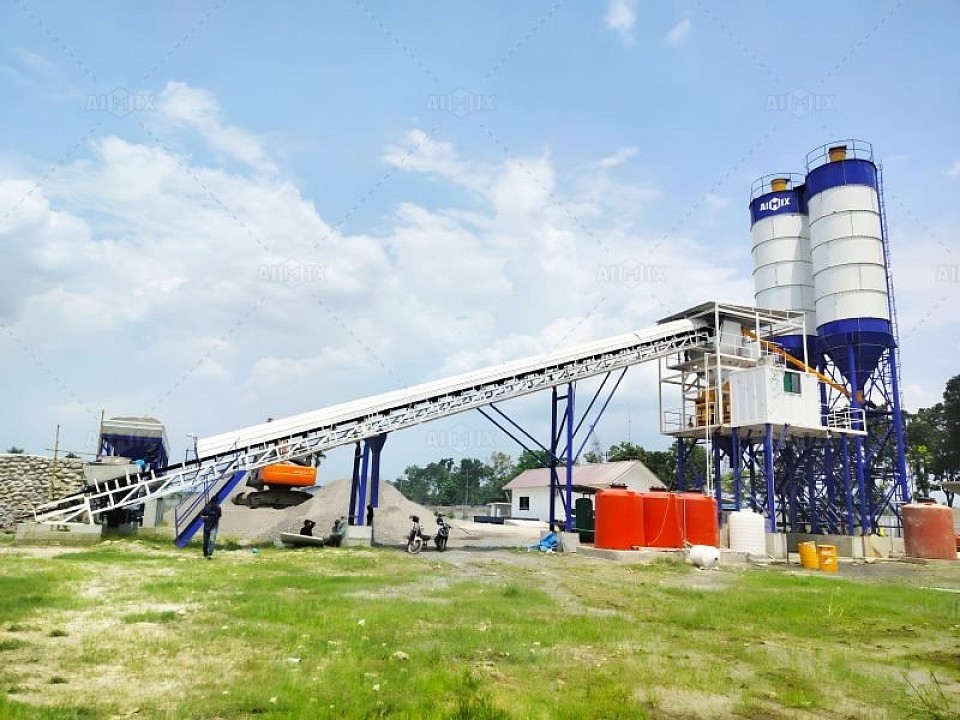
As construction activity grows in a region or within a company’s project pipeline, contractors and concrete suppliers face a common challenge: how to scale production efficiently without compromising quality, delivery timelines, or profitability. At the heart of this decision is choosing the right type of ready mix concrete plant. With so many configurations and capacities on the market, making the right choice can determine whether your operation thrives or struggles under growing demand.
This guide explains how to select the optimal ready mix plant for scaling production, what factors to consider, and how the critical question of “how much does a concrete batch plant cost” fits into your investment decision.
Understanding Different Types of Ready Mix Concrete Plants
Before scaling, it’s important to grasp the main categories of ready mix plants. The two broad types are:
Stationary Ready Mix Concrete Plants
– Best suited for large, high-volume operations with a fixed location
– Typically offers higher capacities (e.g., 60–240 m³ per hour)
– Ideal for established batching yards serving multiple job sites
Mobile / Portable Ready Mix Concrete Plants
– Designed for projects that require frequent relocation
– Easier and faster installation
– Capacity usually ranges from low to medium output
Within these types are variations based on mixing technology (e.g., planetary, twin-shaft, pan mixers), batching system automation, and design layout (horizontal vs vertical). Each variation has implications for production speed, quality control, and operational cost.
Why Scaling Production Requires the Right Plant Choice
When demand grows—whether due to new contracts, urban development, or infrastructure programs—simply increasing workforce or hours isn’t enough. Concrete production needs to keep up with demand without bottlenecks. The ready mix plant is the fulcrum of this process.
Here’s why plant selection matters for scaling:
1. Production Capacity Must Match Demand
A plant that was ideal for 20–40 m³/hour may become a bottleneck when demand rises to 80–120 m³/hour. Upgrading to a higher capacity stationary plant removes congestion in batching and mixing, enabling more consistent deliveries.
2. Automation Improves Efficiency and Reduces Errors
Advanced control systems and automation reduce human errors, increase consistency, and lower labor costs. When scaling, human-intensive batching often leads to variability in mix quality—something customers or structural engineers cannot tolerate.
3. Mobility Impacts Flexibility
For companies working on multiple remote sites, mobile plants allow you to move closer to work sites rather than rely on long haul distances. This reduces transit time, wear on trucks, and fuel costs.
The Investment Question: “How Much Does a Concrete Batch Plant Cost?”
A common question for companies planning expansion is: how much does a concrete batch plant cost?
There isn’t a single figure, because price depends on multiple factors:
Key Cost Influencers
Plant Type: Mobile plants are generally less expensive than stationary counterparts of equal capacity due to simpler foundations and quicker setup.
Production Capacity: Higher capacity plants cost more because of larger mixers, silos, conveyors, and reinforced structures.
Mixer Type: Advanced twin-shaft or planetary mixers cost more than simple drum mixers but deliver superior mixing quality—critical for specialized concrete mixes.
Automation Level: Semi-automated plants are cheaper but require more manual intervention; fully automated systems are pricier but save on long-term operating costs.
Auxiliary Equipment: Cement silos, aggregate bins, weighing systems, and dust collection systems all add to total plant cost.
Rough Cost Ranges (Indicative Only)
While exact quotes vary by manufacturer, capacity, and country, typical ranges could include:
Small Mobile Plants: Lower cost tier — often suitable for local projects and pilot expansion
Medium Mobile / Small Stationary Plants: Mid-range option — balances cost with higher throughput
Large Stationary Plants: Highest cost but ideal for steady high-volume demand
Considering these variables, potential buyers should prepare a budget range rather than a single figure. Getting quotes from reputable suppliers and comparing feature sets is essential.
Choosing the Right Plant for Growth
Here’s a step-by-step approach to selecting the best plant for scaling your concrete business:
1. Forecast Your Demand
Estimate daily and weekly concrete requirements based on your project pipeline. Match this with plant capacities rather than single project needs.
2. Assess Your Operating Environment
Fixed Yard or Multiple Sites? If you have a central batching yard with predictable demand, a stationary plant likely makes sense.
Multiple Remote Projects? Then a mobile plant that can move quickly and reduce transit costs may be smarter.
3. Decide on Technology and Automation
As you scale, quality control becomes more important. Invest in automation if you anticipate high-grade mixes or frequent order variations.
4. Calculate Total Cost of Ownership
Don’t just think about purchase price (i.e., “how much does a concrete batch plant cost?”). Include:
Installation costs
Foundation and site preparation
Training and after-sales service
Spare parts and maintenance
Power and utility requirements
5. Review Supplier Support
Scaling is not just about equipment—it’s about support ecosystem: training, spare parts availability, remote diagnostics, and service response times.
Future-Proofing Your Operation
As construction trends evolve—particularly with demand for high-strength, high-performance, and specialty concrete—your plant choice should accommodate future needs. Investing in flexible mixing technology or modular expandability can save replacement costs later.
Final Thoughts
Scaling production in the ready mix concrete sector requires thoughtful planning and investment. Choosing the right type of ready mix concrete plant isn’t just about capacity—it’s about matching technology, flexibility, cost, and long-term growth.
Understanding how much a concrete batch plant cost in context—not as a single number but as a range influenced by design, capacity, and features—helps you build a realistic budget that supports expansion without financial surprises.
When properly aligned with your growth strategy, the right plant becomes a competitive advantage, improving delivery speed, mix quality, and profitability as demand increases.
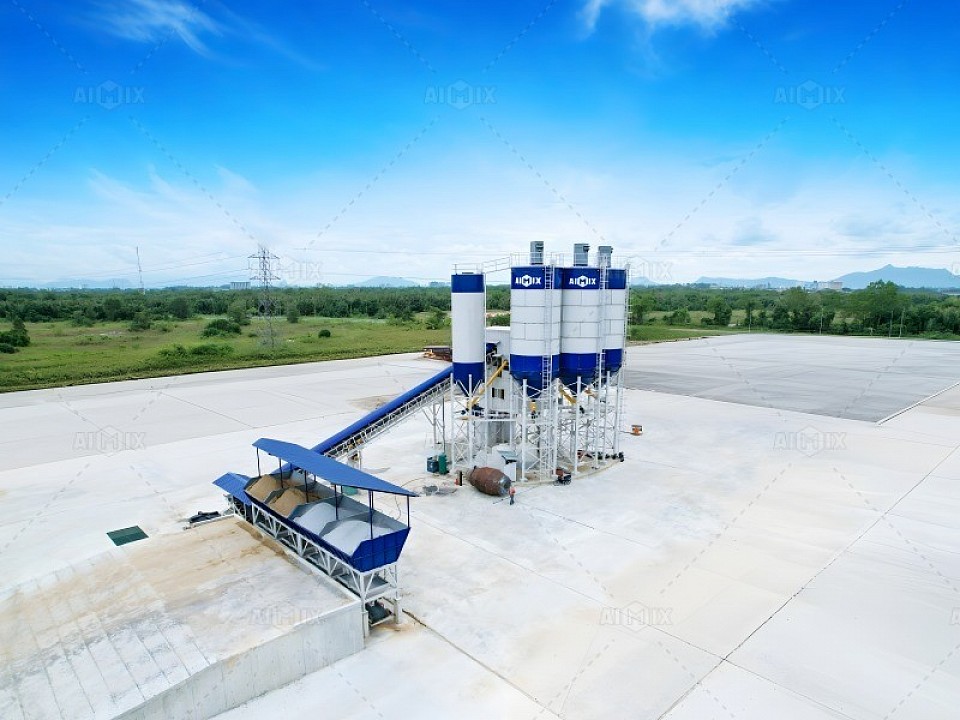
How Automation Level Influences Concrete Batching Plant Price and Operational Savings
Automation has become one of the most influential factors shaping both the investment cost and operational performance of modern concrete batching plants. As construction projects demand higher quality, faster delivery, and more consistent production, manufacturers increasingly integrate automated systems into plant design. But automation does not come free—higher automation often raises the upfront concrete batching plant price.
Yet the real value lies in long-term operational savings. Understanding how automation level impacts both sides of the financial equation helps buyers choose the right configuration for their project scale, production needs, and budget targets.
1. How Automation Affects the Initial Price of a Concrete Batching Plant
Automation levels typically range from semi-automatic systems to fully automated and smart plants with IoT integration. Each step upward increases the equipment cost.
Control System Type
Semi-automatic plants use push-button or relay-type controls, making them the most affordable options. Fully automatic plants rely on PLC-based control units, touch interfaces, and advanced software, raising the initial price significantly.
This cost reflects the precision and consistency the system provides, which becomes essential for commercial concrete production.
Weighing and Metering Systems
Basic systems use manual intervention for feeding and measuring materials, while advanced automation relies on real-time sensors and electronic load cells.
Upgraded weighing systems increase the concrete batching plant price because they reduce human error, ensure mix accuracy, and support high-demand production environments.
Automation of Mixing, Feeding, and Discharge
Highly automated plants include automatic aggregate feeding, skip hoist or belt conveyor control, automatic water dosing, admixture control, and timed discharge programming.
Each automated module adds cost in hardware, wiring, sensors, and software programming.
Data Logging and Production Monitoring
Advanced control systems store mix recipes, track batching cycles, generate reports, and support remote supervision.
These digital tools enhance traceability but also increase software licensing and technology integration expenses, contributing to a higher upfront price.
2. How Automation Reduces Labor Costs
Labor is one of the largest recurring expenditures in concrete production. Increasing automation reduces staffing requirements and minimizes the risk of operator-dependent inconsistencies.
Fewer Operators Needed
Semi-automatic plants may require 3–5 operators to manage feeding, weighing, mixing, and monitoring. Fully automated plants can operate with 1–2 operators because most functions run independently.
Lower Training Requirements
Automation standardizes the production process. Less reliance on operator experience means fewer resources spent on training and supervision.
This is especially beneficial in markets facing skilled labor shortages.
Prevention of Human Error
Incorrect weighing, improper mixing sequences, or accidental overloading often cause quality issues or material waste.
Automation prevents these errors and keeps every batch consistent, reducing both operational risks and rework costs.
3. How Automation Saves Materials and Enhances Precision
Material cost forms a major part of OPEX. Automation helps reduce waste and optimize material usage through accurate dosing and real-time corrections.
Better Cement and Admixture Control
Cement is the most expensive component of concrete. Automated weighing eliminates over-dosing, which can save thousands of dollars annually in high-volume operations.
Automated admixture pumps also improve mix quality, consistency, and performance.
Moisture Correction Systems
Advanced plants include moisture sensors or microwave sensors in aggregate bins.
These sensors adjust water dosage automatically, preventing wet or dry concrete problems and maintaining uniform slump.
Optimized Aggregate Flow
Sensor-assisted feeders regulate aggregate flow to avoid blockages, segregation, or overfeeding.
The result is stable batch quality and reduced material loss during production.
4. Productivity Gains Through Automation
Automation significantly increases batch accuracy, cycle speed, and production stability.
Faster Batching Cycles
PLC systems precisely control mixing times, feeding sequences, and discharge intervals.
This reduces batch cycle time and increases hourly output without needing a larger plant.
Improved Equipment Lifespan
Consistent and optimized operation reduces stress on motors, mixers, and conveyors.
Automated maintenance alerts help prevent breakdowns, extending equipment lifespan and lowering replacement costs.
Real-Time Production Management
Modern automated systems offer dashboards for monitoring plant output, material consumption, and machine health.
Operators can optimize production schedules and detect problems before they cause downtime.
5. Automation Supports Quality Control and Compliance
Regulations and customer demands increasingly require traceable and consistent concrete quality. Automated plants simplify compliance.
Automated Recipe Management
Operators can store multiple concrete mix formulas and switch between them instantly.
This allows for quick adjustments to job requirements without risking quality deviations.
Batch Recording and Reporting
Every batch can be logged automatically with data on weights, moisture adjustments, and mixing times.
These reports support ISO standards, audits, and quality certification for ready-mix producers and precast manufacturers.
6. Balancing Automation Level With Budget and Production Needs
While higher automation increases concrete batching plant price, the long-term savings are substantial. Buyers should consider:
Production scale: Large ready mix plants require fully automated systems for consistent quality and high output.
Labor market: Regions with high labor costs benefit more from automation.
Concrete quality requirements: Infrastructure and precast sectors rely heavily on precision dosing.
Operational stability: Automated systems reduce downtime and process variability.
For small contractors or rural projects, semi-automatic or mid-level automation may offer the best balance of cost and functionality.
Conclusion
Automation significantly influences both the initial concrete batching plant price and the long-term operational savings. While higher automation increases the upfront investment, it reduces labor requirements, improves batching accuracy, enhances material efficiency, and boosts overall productivity. For producers targeting consistent quality and long-term cost optimization, automated systems deliver a strong return on investment.
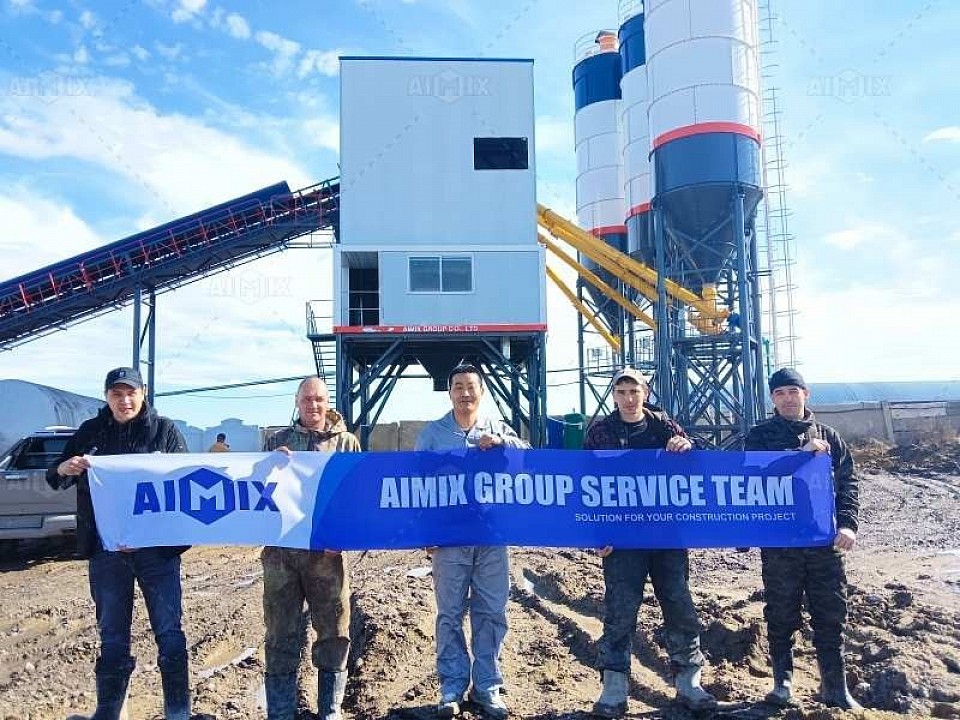
High-Performance Concrete Batching Plants for Sale with Smart Control Systems
As the demand for high-quality, efficient, and sustainable construction solutions grows, the role of high-performance concrete batching plants has become increasingly vital. Concrete batching plants with smart control systems are at the forefront of this transformation, offering enhanced productivity, reduced operational costs, and superior quality control. In this article, we’ll explore the advantages of high-performance concrete batching plants equipped with smart control systems, their impact on construction projects, and key considerations when looking for a concrete batching plant for sale.
1. The Need for High-Performance Concrete Batching Plants
In the competitive construction industry, efficiency and quality are paramount. Concrete batching plants, which are essential for producing high-quality concrete, have evolved from basic systems into high-performance machines that offer significant improvements in mixing precision, production speed, and overall productivity. These modern concrete batching plants are designed to meet the increasing demands of large-scale infrastructure projects, such as highways, bridges, and high-rise buildings, by providing accurate and consistent concrete production.
Key Features of High-Performance Concrete Batching Plants:
Precision in Mixture Proportions: High-performance plants ensure that the concrete mix adheres to the exact specifications required, reducing waste and ensuring consistency.
Fast Mixing Cycle: Faster mixing times lead to higher production rates, enabling the plant to meet demanding deadlines.
Low Maintenance Costs: These plants are designed with robust materials and efficient systems that require less frequent maintenance.
Scalability: High-performance plants can easily handle varying production scales, making them suitable for both small-scale and large-scale projects.
2. The Role of Smart Control Systems in Concrete Batching Plants
One of the most revolutionary aspects of modern concrete batching plants is the integration of smart control systems. These systems use advanced technology, such as IoT (Internet of Things), artificial intelligence (AI), and machine learning, to monitor, control, and optimize plant operations in real-time.
Advantages of Smart Control Systems:
Real-Time Monitoring and Automation: Smart control systems provide real-time monitoring of all key plant operations, including raw material input, concrete mixing, and production rates. This data is collected via sensors and automated controls, allowing operators to adjust parameters instantaneously for optimal performance.
Remote Access and Control: With the integration of IoT, operators can control and monitor the plant remotely via smartphones, tablets, or computers. This feature is especially beneficial for large construction projects where the plant may be located far from the construction site.
Data-Driven Decision Making: Smart systems store valuable data on plant performance, enabling operators to analyze trends, identify inefficiencies, and make data-driven decisions to improve overall productivity.
Reduced Human Error: By automating critical processes and providing real-time alerts for any abnormalities, smart control systems significantly reduce the chances of human error, ensuring better consistency and quality in the concrete produced.
Predictive Maintenance: AI and machine learning algorithms help predict when parts or systems are likely to fail, allowing for preventive maintenance. This reduces downtime and extends the lifespan of the batching plant.
3. Key Benefits of High-Performance Concrete Batching Plants with Smart Control Systems
The integration of smart control systems in high-performance batching plants offers several distinct advantages for construction companies looking for reliable, cost-effective, and high-quality solutions. Below are some of the key benefits:
a. Increased Productivity and Efficiency
Smart batching plants can operate at optimal efficiency with minimal human intervention. Automated batching, real-time adjustments, and precise monitoring of raw materials and mixing times ensure that the plant can produce large quantities of concrete quickly and accurately. This leads to higher output and faster completion of construction projects.
b. Improved Quality Control and Consistency
The smart control systems enable precise control over mix ratios, water content, and other parameters, ensuring that each batch of concrete produced is consistent in quality. This is crucial for projects that require high-strength concrete with specific durability characteristics.
c. Cost Savings
With better efficiency, reduced waste, and optimized use of raw materials, operational costs are significantly reduced. Additionally, predictive maintenance features help minimize unexpected downtime, saving costs associated with repairs and replacements.
d. Enhanced Sustainability
Sustainability is a growing concern in the construction industry, and high-performance batching plants contribute to more eco-friendly operations. These plants can incorporate recycling systems for water and aggregates, reduce energy consumption, and lower carbon emissions, making them a more sustainable choice for construction projects.
e. Flexibility and Scalability
High-performance batching plants equipped with smart control systems can be easily adjusted to meet the demands of different projects. Whether you need a small batch for a residential project or a large batch for a highway or high-rise building, these plants offer the flexibility to scale up or down as needed.
4. Selecting the Right High-Performance Concrete Batching Plant for Sale
When considering a concrete batching plant for sale, several factors must be taken into account to ensure that you choose the best option for your business.
a. Plant Capacity and Production Requirements
Depending on your project’s scope, you’ll need to buy concrete plant that can handle the required production volume. High-performance batching plants typically come in various capacities, so make sure to choose one that aligns with your current and future production needs.
b. Automation Features
Look for plants with advanced automation capabilities, such as automatic weighing systems, real-time monitoring, and remote access. These features improve efficiency and reduce labor costs.
c. Ease of Maintenance
A good concrete batching plant should be designed for easy maintenance. Opt for plants with predictive maintenance features, user-friendly interfaces, and easy access to critical parts for routine checks.
d. Supplier Reputation and Support
Choose a supplier with a strong reputation for providing reliable products and excellent customer support. Reputable manufacturers such as Aimix offer comprehensive after-sales service, including installation, training, and ongoing maintenance support.
e. Price and Financing Options
Compare the prices of different plants and consider financing options, as these investments can be substantial. Be sure to factor in long-term savings through reduced operational costs and maintenance needs.
5. Conclusion
The integration of smart control systems in high-performance concrete batching plants is revolutionizing the construction industry. By offering enhanced automation, real-time monitoring, predictive maintenance, and better quality control, these plants provide substantial benefits to contractors and construction companies.
When looking for a concrete batching plant for sale, investing in a high-performance, smart batching plant is a strategic move for businesses seeking to improve efficiency, reduce costs, and ensure high-quality concrete production. Reputable manufacturers like Aimix provide a wide range of mobile and stationary batching plants designed with the latest technology to meet the growing demands of the construction industry.