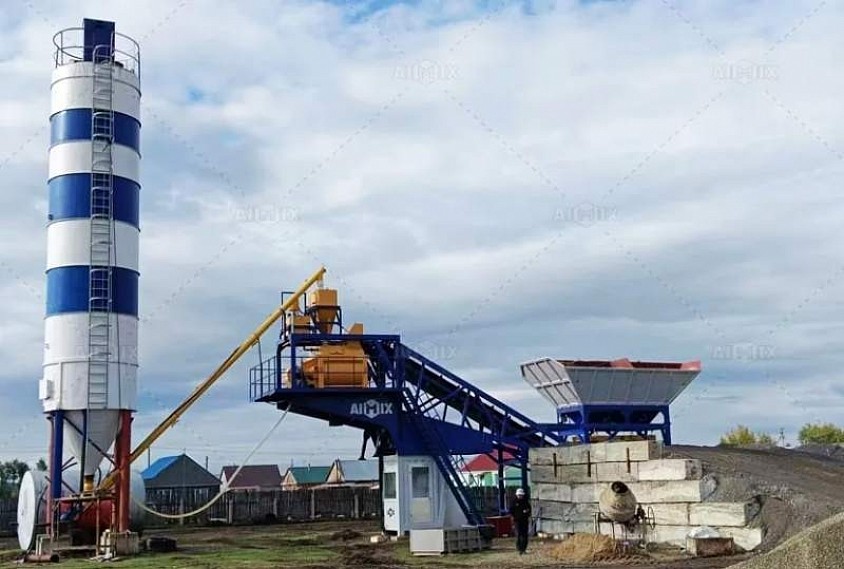
Aimix Batching Concrete Plant
Different Types of Batching Plant for Rapidly Growing Projects: How to Avoid Capacity Bottlenecks Later
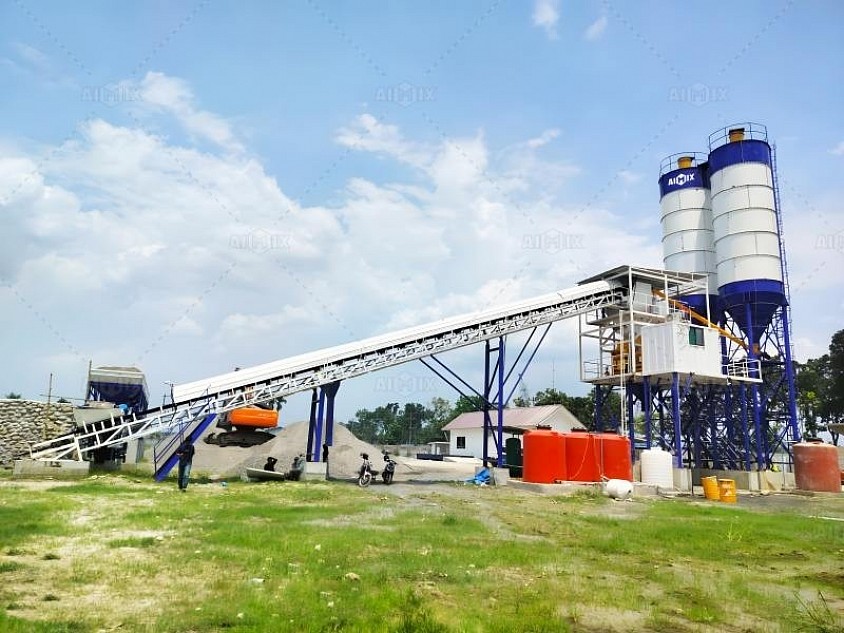
Rapidly growing construction projects can create a difficult equipment-selection problem: concrete demand at the beginning may be relatively low, but production requirements can increase sharply as more work fronts become active. Choosing a batching plant only according to today's demand may result in insufficient capacity later, while purchasing excessive capacity from the beginning can tie up unnecessary capital. Therefore, when comparing different types of batching plant, contractors should consider not only current output but also future expansion, project phases, site space, logistics, and equipment utilization. Modular and flexible batching systems can be particularly useful because they allow the production setup to adapt as project requirements change.
1. Start With the Project's Future Concrete Demand
The first step is to forecast how concrete demand will change throughout the project. A highway project, for example, may begin with relatively limited concrete consumption during site preparation and earthwork, then require much higher output when bridges, drainage structures, pavement, and other concrete-intensive sections enter construction simultaneously. Similarly, a commercial development may start with foundations before moving into multiple building structures that require continuous concrete supply.
Instead of selecting equipment based only on the first six months of production, contractors should develop a demand forecast covering the major construction phases. Consider expected monthly concrete volume, peak daily demand, number of active work fronts, pouring schedules, and project duration. This approach helps identify whether a 30, 60, 90, 120, or higher-capacity plant is appropriate.
It is also important to distinguish theoretical capacity from practical output. A plant's rated capacity does not necessarily represent its actual sustained production because loading efficiency, mixing cycles, material supply, truck availability, maintenance, and site logistics can reduce real output. Therefore, future planning should include a reasonable operating margin instead of assuming that the plant will continuously operate at its maximum rated capacity.
2. Choose a Plant Type That Supports Future Expansion
Different types of batching plant offer different levels of flexibility. Stationary plants are often suitable for projects that require a permanent production base and high-volume concrete supply. Mobile plants can be more appropriate when the project involves changing work locations or multiple sites. Modular plants provide another option for projects where the initial configuration may need to grow as demand increases.
Modular design is particularly useful for expansion planning because the plant can be organized into separate functional units. Depending on the equipment design, additional aggregate storage, cement silos, feeding systems, or mixing capacity can be incorporated without completely rebuilding the original production system.
For a rapidly growing project, this flexibility can be more valuable than simply selecting the largest plant available. The contractor can establish a suitable initial production base and reserve space, utilities, and material-flow routes for future equipment. This reduces the risk of having to modify or rebuild existing structures when expansion becomes necessary.
3. Leave Room for Peak Production
One of the most common causes of capacity bottlenecks is planning around average demand instead of peak demand. If a project normally consumes 50 m³/h but occasionally requires 80 m³/h during major concrete pours, a 50 m³/h plant may become a serious limitation during critical construction periods.
Peak demand should therefore be calculated separately from average demand. Consider how much concrete is required during the largest scheduled pours and how long those operations will continue. If several construction teams need concrete at the same time, the batching plant must also have enough capacity to support overlapping delivery requirements.
However, designing for peak demand does not necessarily mean buying a huge plant. A better strategy may be to select a moderately higher-capacity system, improve truck utilization, increase aggregate storage, or prepare for a second production unit. This allows investment to remain proportional to actual business growth.
4. Do Not Ignore the Aggregate Feeding System
The mixer is often viewed as the central component of a batching plant, but supporting equipment can become the real bottleneck when production increases. Aggregate bins, conveyors, weighing systems, cement screw conveyors, and storage silos must all be capable of supporting the desired output.
For example, if the mixer can process batches rapidly but aggregate feeding is too slow, the mixer will spend part of its operating cycle waiting for materials. Similarly, insufficient aggregate storage can interrupt production when material replenishment cannot keep pace with consumption.
When evaluating different types of batching plant, buyers should therefore assess the entire material-flow system. Expansion planning may require additional aggregate bins, larger storage capacity, improved feeding equipment, or upgraded control systems. A balanced configuration ensures that increasing the rated mixer capacity actually translates into higher practical production.
5. Match Batching Capacity With the Concrete Truck Fleet
A batching plant cannot produce useful concrete unless the finished material can be delivered to the construction site. As production demand grows, the number and capacity of concrete mixer trucks become increasingly important.
Suppose a plant is capable of producing 100 m³/h but the available truck fleet cannot transport that volume within the required delivery radius. The plant may operate below its potential capacity, creating an apparent equipment problem that is actually a transportation bottleneck. Conversely, adding more trucks to a plant with insufficient production capacity will not solve the underlying problem.
For rapidly growing projects, contractors should estimate truck loading time, travel distance, unloading time, return time, and the number of delivery cycles required per hour. Plant capacity, truck fleet, and delivery radius should be planned as one integrated system.
6. Plan the Site for Expansion From Day One
Future expansion becomes much more expensive when the original site has no space for additional equipment. Even if the initial plant does not require extra silos or aggregate bins, the layout should leave suitable space for future additions.
Reserve areas around the batching system for additional storage, conveyors, electrical equipment, and access routes. Utility infrastructure should also be considered. If future expansion will require additional electrical capacity, water supply, or drainage, these requirements should be incorporated into the initial site plan wherever practical.
This principle is especially important for projects operating under tight land constraints. A compact or modular batching plant can make it easier to adapt the production system without acquiring additional land. Careful site planning at the beginning can significantly reduce the cost and disruption of future expansion.
7. Consider Parallel Plants Instead of One Oversized Plant
As demand grows substantially, operating two plants in parallel can sometimes be more practical than replacing the original plant with a much larger unit. A contractor might begin with one medium-capacity batching plant and later add a second unit when concrete demand reaches a higher level.
This approach provides operational flexibility. One plant can continue production while the other undergoes maintenance, or different plants can serve separate work areas. It can also reduce the disruption associated with replacing an existing production system.
However, parallel operation requires sufficient site space, aggregate supply, cement storage, electrical capacity, operators, and truck coordination. The decision should therefore be based on the overall project economics rather than capacity alone.
8. Work With Manufacturers on a Long-Term Configuration
The supplier should be involved in expansion planning before the initial equipment is purchased. Experienced concrete batching plants manufacturers can evaluate the expected production curve and recommend an initial configuration that leaves practical options for future upgrades.
The discussion should cover more than the initial equipment list. Ask which components can be upgraded later, whether additional silos or aggregate bins can be added, whether the control system can accommodate higher production, and whether the existing structure and electrical system can support future equipment.
A future-oriented design can also reduce downtime during expansion. Modular equipment is generally easier to assemble, disassemble, transport, and adapt than systems designed entirely around a fixed configuration. This makes flexibility an important consideration for projects where concrete demand is expected to increase over time.
Conclusion
For rapidly growing construction projects, selecting among different types of batching plant should be based on both present requirements and future production scenarios. Contractors should forecast peak concrete demand, evaluate actual rather than theoretical output, coordinate plant capacity with truck availability, and reserve sufficient space and infrastructure for expansion. Stationary, mobile, modular, and parallel plant configurations can each serve different growth strategies. By planning expansion from the beginning and working with experienced concrete batching plants manufacturers, contractors can avoid costly capacity bottlenecks, maintain stable concrete supply as project activity increases, and build a production system that can grow without requiring a complete replacement.
Ready Mix Concrete Batching Plant Automation: Which Control Functions Actually Improve Production Efficiency?
Automation has become an important part of modern concrete production, but not every automated function delivers the same value. For a ready mix concrete batching plant, the most useful automation is not simply about replacing manual operation with a computer. It is about improving weighing accuracy, shortening batch cycles, reducing material waste, maintaining consistent mix quality, and giving operators better control over production. For companies evaluating a ready mix plant Singapore or similar systems in markets with high labor and operating costs, selecting the right automation functions can have a direct impact on long-term productivity and profitability.
Automatic Weighing: The Foundation of Plant Automation
Accurate weighing is one of the most important functions in a ready mix concrete batching plant. Modern control systems can automatically manage aggregate, cement, water, and admixture weighing according to predefined mix recipes. The system monitors weight signals from load cells and controls feeding and cutoff points to reduce overloading and weighing deviations.
The real efficiency benefit comes from repeatability. Instead of requiring an operator to manually control every material, the automation system executes the same sequence for every batch. Advanced systems can also use multi-stage feeding and automatic compensation to improve weighing accuracy and reduce material overruns. This can be particularly valuable for cement and admixtures because even relatively small dosing deviations can increase material costs over thousands of batches.
Recipe Management: Reducing Manual Errors
Recipe management allows operators to store different concrete mix designs in the control system and select the required formula for each order. Once a recipe is selected, the system automatically determines the target quantity of each material and executes the batching sequence.
This function is particularly useful for an RMC producer serving multiple construction projects with different concrete grades. Instead of manually entering material quantities for every load, the operator works from predefined recipes. This reduces the risk of selecting incorrect proportions and creates a more consistent production process. Modern automation systems can also connect recipe information with production records, quality control, and delivery documentation.
For a ready mix plant Singapore, where different projects may require carefully controlled concrete specifications, centralized recipe management can also make it easier to maintain standardized production procedures across different batches or production locations.
Aggregate Moisture Compensation: A Small Function With a Big Impact
Aggregate moisture is one of the most important variables affecting concrete consistency. Sand and other fine aggregates can contain significantly different amounts of moisture depending on weather conditions, storage conditions, and drainage. If this moisture is not considered, the actual water-to-cement ratio can change even when the batching system follows the same recipe.
An automated moisture compensation function can use moisture measurements to adjust the amount of added water and, depending on the system, material targets. This helps maintain the intended concrete consistency while reducing the need for operators to make manual corrections.
This function can become especially valuable in climates with frequent rainfall or changing aggregate conditions. Instead of treating moisture as an occasional manual adjustment, the control system makes it part of the normal production process.
Automatic Sequence Control: Shortening the Batch Cycle
A batching plant contains multiple operations that must happen in the correct order. Aggregate feeding, cement weighing, water dosing, admixture addition, mixer charging, mixing, and discharge all need to be coordinated.
Automatic sequence control allows the PLC and software to manage these operations without requiring the operator to manually start and stop each stage. The system can control conveyor operation, gates, valves, screws, pumps, and mixer functions according to predefined timing and process logic. This reduces unnecessary waiting between operations and helps create a more consistent batch cycle.
Some systems can also begin preparing the next batch while the previous production cycle is being completed. This type of overlapping operation can increase plant throughput because the equipment spends less time waiting between batches. The result is particularly valuable for high-demand RMC operations where production efficiency depends on keeping the mixer and delivery fleet moving continuously.
Real-Time Monitoring and Alarm Management
Automation is also valuable because it allows operators to see what is happening throughout the plant in real time. A centralized interface can display material weights, conveyor status, mixer operation, production progress, equipment faults, and other operating parameters.
Alarm management is another important function. Instead of discovering a problem only after production stops, the system can identify abnormal conditions and notify the operator. Depending on the configuration, this can include weighing deviations, equipment failures, dosing problems, or other process abnormalities.
The benefit is not simply convenience. Faster fault identification can reduce downtime and help operators determine whether a problem is related to material supply, mechanical equipment, sensors, or control settings.
Production Data and Reporting
A modern ready mix concrete batching plant should not only automate production but also record what happened during production. Batch records can include the target and actual quantities of raw materials, production time, recipe information, operator activity, and other process data.
This information helps managers compare theoretical material consumption with actual consumption. For example, if the plant consistently uses more cement than the mix design specifies, production records can help identify the deviation and investigate its cause. Detailed reporting can therefore support cost control as well as quality management.
For businesses operating multiple plants, centralized data can provide an even broader advantage. Management can compare production efficiency, material consumption, downtime, and other indicators across different locations.
Remote Access and System Integration
Remote access can further improve management efficiency by allowing authorized personnel to monitor plant data without remaining physically inside the control room. Modern systems can also integrate plant automation with dispatching, inventory, accounting, ERP, and other business software.
This becomes increasingly useful as an RMC business grows. Instead of treating the batching plant as an isolated machine, integration allows production data to become part of the company's broader operational system. Orders can be connected with recipes, production records, delivery information, material consumption, and invoicing.
For larger operations, integration can also help managers identify bottlenecks. If production is efficient but trucks are frequently delayed, the problem may not be the batching plant itself. Integrated operational data makes it easier to identify whether the constraint is production, dispatch, transportation, raw-material supply, or customer scheduling.
Which Automation Functions Matter Most?
Not every plant needs every advanced automation feature. For most ready mix concrete batching plants, the priority should be functions that directly affect production accuracy and efficiency: automatic weighing, recipe management, moisture compensation, automatic sequencing, alarm monitoring, and production reporting.
More advanced features such as automatic slump control, AI-assisted dosing, remote management, ERP integration, and multi-plant data management can be considered according to the scale and complexity of the business. The key is to evaluate whether each function produces a measurable improvement in productivity, quality, labor efficiency, or operating cost.
For a ready mix plant Singapore, buyers should also consider ease of operation, system reliability, remote technical support, data security, and integration capability. A sophisticated control system is only valuable when operators can use it effectively and maintenance teams can keep it running reliably.
Conclusion
Automation can significantly improve the performance of a ready mix concrete batching plant, but its value depends on which functions are automated and how well they are integrated into the production process. Automatic weighing reduces dosing errors, recipe management improves consistency, moisture compensation helps control water content, sequence control shortens batch cycles, while alarms and production reports improve operational visibility. For businesses planning a ready mix plant Singapore or similar RMC operation, the best approach is to focus on automation features that produce measurable improvements in accuracy, throughput, material efficiency, quality control, and downtime reduction rather than simply choosing the system with the longest list of features.
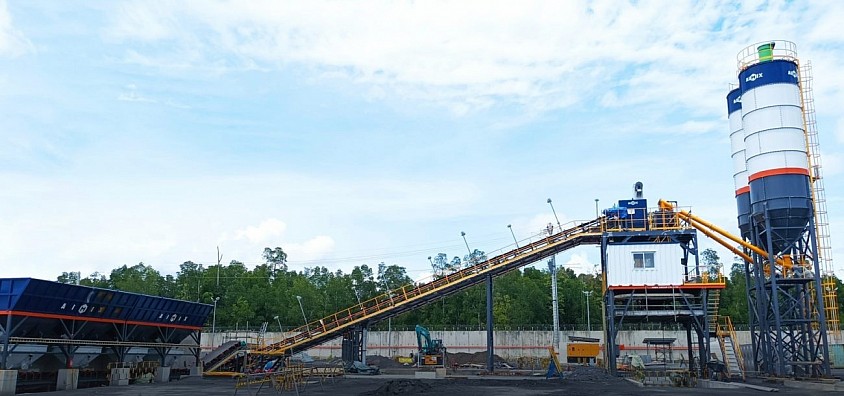
24-Hour Fast Setup Concrete Plant: What Makes Rapid Installation Possible?
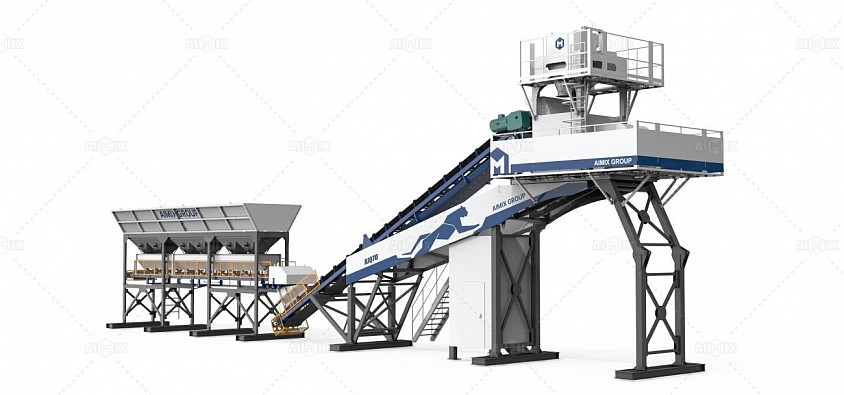
For construction projects operating under tight schedules, waiting several days or weeks for a concrete batching plant to be installed can delay the entire project. A 24-hour fast setup concrete plant is designed to shorten the period between equipment delivery and concrete production by integrating modular structures, simplified installation procedures, and pre-assembled systems. Instead of treating installation as a long civil construction process, the plant is engineered around rapid deployment. For contractors planning to buy concrete batching plant equipment, understanding the technologies and site conditions behind fast installation is important for evaluating whether this type of plant is suitable for their projects.
1. What Is a 24-Hour Fast Setup Concrete Plant?
A 24-hour fast setup concrete plant is a batching system designed to be installed, connected, tested, and commissioned within a very short period under suitable site conditions. The exact installation time depends on the plant model, transportation arrangement, site preparation, labor availability, and utility connections, so 24 hours should be understood as a rapid-installation concept rather than a guaranteed installation time for every project.
The main difference from a conventional stationary batching plant is the level of integration. Traditional plants may require extensive foundations, structural assembly, electrical installation, and civil works before production can begin. A fast setup plant reduces these steps through modular components and pre-engineered connections, allowing more work to be completed before the equipment reaches the construction site.
2. Modular Structure Reduces Assembly Work
Modular design is one of the most important factors behind rapid installation. Instead of assembling every structural component individually at the project site, major sections of the plant can be manufactured and prepared in advance. These sections are then transported to the construction site and connected according to a predefined installation process.
A modular structure can reduce the number of lifting, welding, alignment, and assembly operations required on site. It also makes the installation process more predictable because the main components are designed to fit together without extensive modification. For contractors working under strict construction schedules, this can significantly reduce the risk of installation-related delays.
3. Foldable and Containerized Design
Some fast setup concrete plants use foldable or containerized structural designs to simplify transportation and deployment. During transportation, the main structure can be folded or arranged in a compact configuration, reducing shipping volume. Once delivered, the structure can be unfolded or assembled into its working position.
This design provides benefits beyond installation speed. Reduced transport volume can lower logistics costs and simplify international shipping. It can also make the equipment easier to move between projects. For contractors who frequently buy concrete batching plant equipment for different construction sites, transportability and rapid deployment can become important factors in determining the overall value of the plant.
4. Reduced Foundation Requirements
Foundation construction can be one of the biggest sources of delay when installing a conventional stationary batching plant. Concrete foundations may require excavation, reinforcement, concrete pouring, curing, and leveling before equipment installation can begin.
A fast setup concrete plant can reduce this process through a structure designed for simplified support and installation. Depending on the model and ground conditions, the plant may require less extensive foundation work than a traditional fixed plant. However, reduced foundation requirements do not mean that site preparation can be completely ignored. The ground still needs to be stable, level, and capable of safely supporting the equipment and operational loads.
5. Pre-Assembled Electrical and Control Systems
Electrical installation and control system commissioning can also affect the time required to start production. Modern fast setup plants can integrate more electrical components, sensors, wiring, and control equipment before delivery. This reduces the amount of electrical work that needs to be completed manually at the project site.
An intelligent control system can further simplify commissioning by integrating batching, weighing, mixing, and production monitoring into one operating platform. Once the necessary connections are completed, engineers can test the system and calibrate the weighing components before beginning commercial production. This approach reduces repetitive installation work and helps operators become familiar with the plant more quickly.
6. Efficient Installation Planning
Technology alone cannot guarantee 24-hour installation. Proper preparation before equipment arrives is equally important. The construction site should already have a suitable access route, prepared ground, necessary lifting equipment, power supply, water supply, aggregate storage area, and cement storage system.
The installation team should also have a clear sequence for unloading, positioning, assembly, electrical connection, testing, and commissioning. If the site is not ready when the plant arrives, the equipment may remain idle regardless of how quickly it can theoretically be installed. Therefore, rapid installation depends on coordination between the manufacturer, contractor, transportation provider, and site management team.
7. Rapid Commissioning and First Concrete Production
After the physical installation is completed, the plant still needs to be tested before producing concrete commercially. Engineers normally check the mixer, conveyors, weighing systems, sensors, control system, water supply, and safety devices. Calibration is particularly important because accurate measurement of aggregates, cement, water, and admixtures directly affects concrete quality.
Once the systems operate correctly, trial production can be performed. The objective is not simply to make the plant run but to confirm stable material feeding, accurate weighing, efficient mixing, and reliable discharge. A well-designed fast setup plant can shorten this commissioning stage because many systems have already been tested and integrated before delivery.
8. When Is a Fast Setup Plant Most Suitable?
Fast setup plants are particularly useful for projects where time has a direct economic impact. Road construction, bridge projects, municipal infrastructure, industrial construction, and medium-scale commercial developments may benefit from rapid concrete production. Contractors can begin producing concrete sooner and avoid long installation periods that interfere with the construction schedule.
They are also useful for contractors managing multiple projects. After completing one project, a rapidly deployable plant can potentially be moved to another location and installed again with less downtime. This makes the equipment more flexible than a conventional permanent batching facility.
9. What to Consider Before You Buy Concrete Batching Plant Equipment
Before you buy concrete batching plant equipment with rapid installation capability, contractors should evaluate more than the advertised setup time. Important factors include actual production capacity, mixer configuration, weighing accuracy, transportation dimensions, foundation requirements, installation conditions, automation, maintenance, and after-sales support.
It is also important to confirm what the stated installation time includes. Some suppliers may refer only to mechanical assembly, while others may include electrical connection, commissioning, and trial production. Buyers should request a clear installation scope and determine which site preparation tasks must be completed before the equipment arrives.
Conclusion
A 24-hour fast setup concrete plant achieves rapid installation through a combination of modular engineering, foldable or containerized structures, simplified foundations, pre-assembled systems, integrated controls, and careful installation planning. The greatest advantage is not simply saving installation hours but allowing contractors to start concrete production sooner and respond more flexibly to project schedules. For businesses looking to buy concrete batching plant equipment, a fast setup model can be an attractive option when installation time, mobility, and project flexibility are critical factors.
Small Portable Concrete Batching Plant for Sale: How Easy Is It to Transport and Relocate?
A small portable concrete batching plant is designed for construction projects that require flexible concrete production across different job sites. Unlike a conventional stationary plant, its compact structure, transport-friendly components, and simplified installation process make relocation easier when project locations change. When evaluating a small concrete batching plant for sale, buyers should look beyond production capacity and consider transportation dimensions, weight, installation requirements, site accessibility, and the equipment needed for relocation. These factors determine how efficiently the plant can move from one project to another.
Compact Design Makes Transportation Easier
One of the main advantages of a small portable batching plant is its compact configuration. Manufacturers optimize the arrangement of the mixer, aggregate feeding system, weighing components, control cabinet, and other equipment to reduce unnecessary space and simplify transportation.
Compared with large stationary plants, smaller equipment can often be transported using standard trucks or containers, depending on the specific model and configuration. This can make logistics more manageable for contractors working on multiple construction sites. However, buyers should always confirm the transport dimensions and weight of each component before purchasing.
The plant's transportability also depends on how much equipment can remain assembled during transportation. A design that minimizes disassembly can shorten preparation time before relocation and reduce the labor required for loading and unloading.
Mobile Structure Supports Faster Relocation
A portable batching plant is designed with mobility in mind, but the actual relocation process varies between models. Some compact plants use modular structures that can be transported as separate units, while trailer-mounted configurations can provide an even more convenient solution for projects requiring frequent movement.
For road construction, bridge projects, and other linear infrastructure developments, contractors may need to move their concrete production equipment as construction progresses. A portable plant allows concrete production to follow the project instead of remaining at a fixed location.
This can reduce the distance between the batching plant and concrete placement area. Shorter transportation distances can help contractors manage concrete delivery more efficiently, particularly when construction sites are remote or access conditions make long-distance transit difficult.
Installation Requirements Affect Relocation Time
Transportation is only one part of mobility. A plant that is easy to transport but complicated to install may still create significant downtime during relocation. Therefore, buyers should consider how much foundation work, assembly, wiring, calibration, and commissioning are required after the equipment reaches a new site.
Many small portable batching plants are designed with simplified installation procedures. Modular structures can reduce the number of individual components that need to be assembled, while integrated control and weighing systems can help streamline commissioning.
However, site preparation remains important. The new location should provide a stable working surface, sufficient space for aggregate storage and truck movement, and access for loaders and delivery vehicles. Electrical power, water supply, and material storage also need to be arranged before production begins.
Site Accessibility Is an Important Consideration
Even a highly portable batching plant can be difficult to relocate if the destination site has poor access. Narrow roads, steep terrain, weak bridges, low-clearance structures, or limited turning space can affect the transportation method.
Before purchasing a small concrete batching plant for sale, contractors should evaluate the complete transportation route rather than only considering the dimensions of the equipment itself. The route should be checked for road restrictions, vehicle weight limits, bridge capacity, and loading or unloading conditions.
For projects in rural or remote areas, manufacturers may recommend specific configurations based on local transportation conditions. Smaller components or modular structures can sometimes make it easier to deliver equipment to locations that cannot accommodate large transport vehicles.
Small Plants Offer Flexibility for Different Projects
The ability to relocate a batching plant can provide significant value for contractors working on short-term or multi-site projects. Instead of investing in a large permanent facility, contractors can move a smaller plant between projects according to concrete demand.
For example, a contractor may use a portable plant for a residential development and later relocate it to a road construction project. The same equipment can continue producing concrete without requiring a completely new production facility at every site.
This flexibility can also be useful when construction projects are distributed across different regions. Rather than transporting all concrete from a distant commercial supplier, contractors can establish production closer to the construction area when project conditions justify on-site batching.
Comparing Portable Plants for Different Markets
Transportation requirements can vary significantly between countries. A buyer searching for a small concrete batching plant for sale UK, for example, may need to consider road width, transport regulations, site access, weather conditions, and local planning requirements when evaluating equipment.
The same principle applies to other markets. A plant configuration that is easy to transport in one country may require different logistics in another because of vehicle regulations, container dimensions, road infrastructure, or project-specific restrictions.
Therefore, international buyers should work with manufacturers that understand export packaging and transportation requirements. Equipment dimensions, shipping weight, loading methods, spare parts, and installation instructions should all be confirmed before shipment.
Relocation Costs Should Be Included in the Purchase Decision
A portable plant may reduce relocation difficulties, but moving equipment still creates costs. Transportation, loading, unloading, assembly, electrical connection, calibration, and commissioning can all affect the total expense of moving a plant.
When comparing a small concrete batching plant for sale, buyers should therefore evaluate not only the initial purchase price but also the expected cost of each relocation. A slightly more expensive plant with a better modular design may provide greater long-term value if it can be moved and installed more efficiently.
Manufacturers can also help buyers select configurations according to how frequently the plant will be relocated. A project requiring one relocation after several years may need a different solution from a contractor moving equipment between sites every few months.
What Buyers Should Check Before Purchasing
Several specifications should be confirmed before buying a portable batching plant. These include overall transport dimensions, individual component weight, loading requirements, foundation requirements, installation time, power requirements, aggregate storage capacity, and available spare parts.
Buyers should also ask manufacturers how much of the plant can be transported pre-assembled and what equipment is required for installation at a new site. Clear information about these factors can help contractors estimate both transportation time and relocation costs.
After-sales support is another important consideration. Technical guidance during disassembly, transportation, reinstallation, and commissioning can make relocation much smoother, especially for contractors operating in unfamiliar locations.
Conclusion
A small portable concrete batching plant can provide a practical solution for contractors who need to move concrete production between construction sites. Its compact structure, modular configuration, transport-friendly design, and simplified installation can make relocation considerably easier than moving a conventional stationary plant. However, actual mobility depends on equipment dimensions, site accessibility, installation requirements, transportation regulations, and relocation costs. Whether evaluating a small concrete batching plant for sale or researching a small concrete batching plant for sale UK, buyers should assess the complete lifecycle of transportation and relocation to choose a plant that delivers both operational flexibility and long-term value.
RMC Plant Project Cost Explained: What Makes One Project More Expensive Than Another?
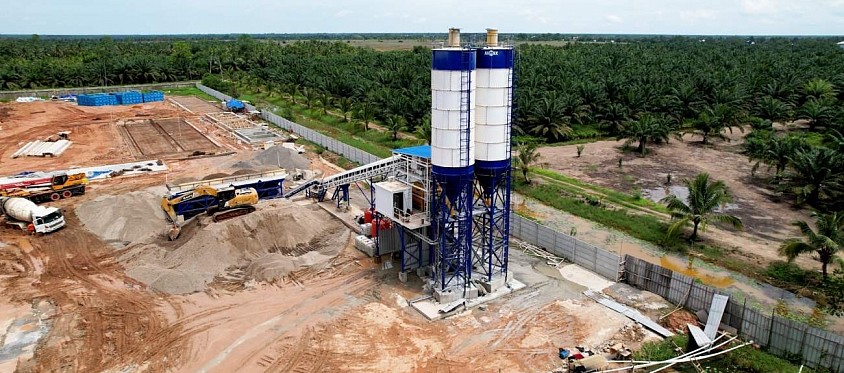
Investing in a ready-mix concrete (RMC) plant is a major business decision, but many first-time buyers quickly discover that there is no fixed RMC plant project cost. Two plants with the same production capacity can have significantly different price tags due to differences in equipment configuration, installation requirements, automation levels, and local project conditions. Understanding these cost factors is essential for developing an accurate investment budget and achieving long-term profitability.
Rather than focusing solely on the purchase price of the batching plant, investors should evaluate the total project cost, including land preparation, transportation, installation, utilities, labor, and future operating expenses. A comprehensive cost analysis helps businesses choose the most suitable solution instead of simply selecting the lowest-priced equipment.
Plant Capacity Is the Primary Cost Driver
One of the biggest factors affecting the RMC plant project cost is production capacity. A plant designed to produce 30 m³/h requires fewer components and lower-powered equipment than a plant capable of producing 120 m³/h or more.
Higher-capacity plants typically require larger aggregate bins, bigger cement silos, more powerful twin-shaft mixers, wider conveyors, and stronger supporting structures. They also consume more electricity and require larger installation areas, all of which increase the overall project investment.
However, choosing the largest capacity is not always the best decision. Investors should select equipment based on actual production demand. Oversized equipment increases capital costs and operating expenses, while undersized plants may limit future business growth.
Equipment Configuration Makes a Significant Difference
Two batching plants with identical capacities may still have different project costs because of their equipment configurations. High-quality components generally improve performance and durability but also increase the initial investment.
For example, selecting a premium twin-shaft mixer can improve mixing efficiency and concrete quality compared with a standard mixer. Similarly, intelligent PLC control systems, automatic moisture measurement, advanced weighing systems, and dust collection equipment add value while increasing equipment costs.
Businesses planning long-term commercial production often find that investing in higher-quality components reduces maintenance costs and improves operational reliability over the plant's lifetime.
Site Preparation and Civil Construction
The installation site has a major impact on the overall RMC plant project cost. A flat, stable site with existing utility connections requires less preparation than uneven land that needs extensive earthwork or foundation construction.
Large stationary batching plants often require reinforced concrete foundations capable of supporting heavy equipment. Depending on local soil conditions, foundation work alone can represent a significant portion of the project budget.
Additional site expenses may include drainage systems, internal roads, fencing, offices, storage areas, and vehicle access. These supporting facilities are essential for efficient plant operation and should be included during project planning.
Transportation and Installation Costs
Shipping costs vary depending on plant size, transportation distance, and local logistics. International projects may involve ocean freight, customs clearance, inland transportation, and heavy lifting equipment for unloading.
Installation expenses also differ according to equipment complexity. Larger plants generally require longer installation periods, more technicians, and additional commissioning work before production begins.
Working with an experienced manufacturer that provides installation guidance and technical support can help reduce delays and minimize unexpected expenses during commissioning.
Automation and Energy Efficiency
Modern batching plants increasingly incorporate automation technologies that improve production efficiency while reducing labor requirements. Automated material weighing, intelligent control systems, and production management software increase the initial investment but often lower operating costs over time.
Energy-efficient motors, optimized mixing systems, and variable frequency drives can further reduce electricity consumption throughout the plant's service life. While these technologies contribute to a higher purchase price, they often provide substantial savings for businesses producing concrete every day.
Investors should therefore evaluate lifecycle operating costs rather than focusing only on initial equipment prices.
Local Market Conditions Also Influence Costs
The location of the project plays an important role in determining total investment. Labor costs, construction materials, utility prices, transportation expenses, import duties, and local regulations vary significantly between countries.
For example, companies planning a ready mix plant Singapore project may face different investment considerations than those operating in larger countries. Because land availability in Singapore is limited and industrial land costs are relatively high, efficient site planning and compact equipment configurations become particularly important. In addition, strict environmental regulations and high operational standards often encourage investors to choose advanced automation and dust-control systems that improve compliance while supporting long-term operational efficiency.
Understanding local market conditions allows investors to prepare more accurate budgets and avoid unexpected project expenses.
Future Expansion Should Be Considered
Many investors purchase equipment based only on their current production requirements without considering future business growth. If demand increases rapidly, replacing an undersized batching plant can be much more expensive than selecting an expandable configuration from the beginning.
Choosing modular designs, additional foundation space, larger control systems, or expandable storage capacity can simplify future upgrades while reducing expansion costs. Although these options may slightly increase the initial investment, they provide greater flexibility as the business develops.
Planning for future growth is particularly important for companies expecting to supply commercial concrete to multiple construction projects over the coming years.
Choosing the Right Supplier Matters
The equipment supplier has a significant influence on both project cost and long-term operating performance. A reliable manufacturer provides more than machinery—it also offers engineering support, equipment customization, installation guidance, operator training, spare parts availability, and after-sales service.
Low-priced equipment from inexperienced suppliers may appear attractive initially but can result in frequent breakdowns, delayed spare parts, and higher maintenance costs. Selecting a reputable supplier often reduces operational risks and improves the overall return on investment.
When comparing quotations, businesses should evaluate total value rather than focusing solely on the equipment price.
Conclusion
There is no universal RMC plant project cost because every project has unique requirements. Production capacity, equipment configuration, site preparation, transportation, automation, local regulations, and future expansion plans all influence the final investment. Businesses that carefully analyze these factors can develop more accurate budgets and avoid costly surprises during implementation.
Whether planning a local concrete supply business or developing a ready mix plant Singapore project, investors should focus on total lifecycle value instead of simply choosing the lowest quotation. By selecting the right equipment, working with an experienced manufacturer, and planning for future growth, companies can build an efficient, profitable, and sustainable ready-mix concrete operation that delivers long-term business success.
Concrete Batching Plant Price Comparison: Manual, Semi-Automatic, and Fully Automatic Solutions
The concrete batching plant price varies significantly depending on the automation level, production capacity, equipment configuration, and application requirements. Among different options, manual, semi-automatic, and fully automatic concrete batching plants represent different investment levels and operating advantages. For buyers researching the harga concrete batching plant in markets such as Indonesia and Southeast Asia, understanding the differences between these systems can help determine the most suitable solution based on budget, production demand, and long-term business goals.
Manual Concrete Batching Plant: Lower Initial Cost for Small-Scale Projects
A manual concrete batching plant is usually the most affordable option because it requires more human involvement during the weighing, feeding, and production process. Operators manually control material loading, measurement, and mixing operations, making the system relatively simple in structure.
The lower equipment complexity means the concrete batching plant price of a manual system is generally lower compared with automated solutions. It can be suitable for small construction projects, rural building works, or contractors who have limited production requirements and want to minimize initial investment.
However, while the purchase cost is lower, manual operation requires more labor and depends heavily on operator experience. Human errors in material measurement can affect concrete quality and production consistency. For businesses planning long-term commercial concrete production, the labor cost and lower efficiency may reduce overall profitability.
When evaluating harga concrete batching plant, buyers should consider not only the initial purchase price but also daily operating expenses. A cheaper plant may not always provide the best value if labor requirements and production limitations become major challenges.
Semi-Automatic Concrete Batching Plant: Balance Between Cost and Efficiency
Semi-automatic concrete batching plants provide a middle solution between manual operation and fully automated systems. These plants use electronic weighing systems and partial automation to improve production accuracy while still allowing operators to manage certain processes manually.
The investment cost of a semi-automatic plant is higher than a manual system but lower than a fully automatic solution. For many small and medium-sized concrete suppliers, this type of plant offers a good balance between equipment price and operational performance.
A semi-automatic batching plant can improve weighing accuracy, reduce material waste, and increase production efficiency compared with manual systems. It is commonly used for commercial construction projects, ready-mix concrete supply, and contractors who need reliable production without investing in a highly advanced control system.
For companies comparing concrete batching plant price options, semi-automatic plants are often considered a practical choice because they provide better production control while maintaining reasonable investment costs.
Fully Automatic Concrete Batching Plant: Higher Investment with Long-Term Benefits
A fully automatic concrete batching plant represents the highest level of automation. It integrates PLC control systems, computerized production management, automatic weighing, real-time monitoring, and data recording functions to achieve efficient and precise concrete production.
Due to advanced control technology and additional equipment, the initial concrete batching plant price of a fully automatic system is higher. However, the long-term advantages can make it a valuable investment for large-scale concrete producers and companies operating multiple projects.
Fully automatic systems can reduce labor dependence, improve production consistency, and minimize errors caused by manual operation. They are especially suitable for ready-mix concrete businesses, infrastructure projects, and commercial suppliers that require continuous high-volume production.
When considering the harga concrete batching plant, investors should evaluate the expected production volume and business growth plans. Although a fully automatic plant requires more capital at the beginning, improved efficiency and lower operating costs can provide better returns over time.
Key Factors That Affect Concrete Batching Plant Price
Besides automation level, several other factors influence the final equipment cost. Production capacity is one of the most important elements. A small concrete batching plant with lower output naturally requires less investment, while high-capacity plants require larger mixers, more storage systems, and stronger supporting equipment.
The type of plant also affects the price. Stationary concrete batching plants generally require more infrastructure investment because they are designed for long-term operation at fixed locations. Mobile concrete batching plants may have higher flexibility and lower relocation costs, making them suitable for projects requiring frequent movement.
Configuration choices also influence the total investment. Equipment such as larger cement silos, additional aggregate bins, advanced dust control systems, and environmental protection features can increase the overall cost but improve production capability and sustainability.
Choosing the Right Solution Based on Business Needs
The best concrete batching plant solution depends on project requirements rather than simply choosing the lowest price option. Small contractors may find manual or semi-automatic systems suitable for limited production needs, while commercial concrete suppliers usually benefit from fully automatic solutions.
For investors planning to start or expand a concrete business, analyzing production demand, labor costs, future growth, and local market conditions is essential. For example, companies searching for the harga concrete batching plant in Indonesia should consider climate conditions, construction demand, transportation requirements, and available technical support before making a decision.
A reliable manufacturer can also help buyers customize the plant according to their budget and production goals, ensuring a better balance between investment cost and operational efficiency.
Conclusion
The concrete batching plant price differs greatly between manual, semi-automatic, and fully automatic solutions due to differences in technology, efficiency, and operating requirements. Manual plants offer lower initial investment, semi-automatic systems provide a balance between cost and performance, while fully automatic plants deliver higher efficiency and long-term value. By understanding these differences and evaluating the total cost of ownership, buyers can select the right batching plant solution that meets their production needs and supports sustainable business growth.
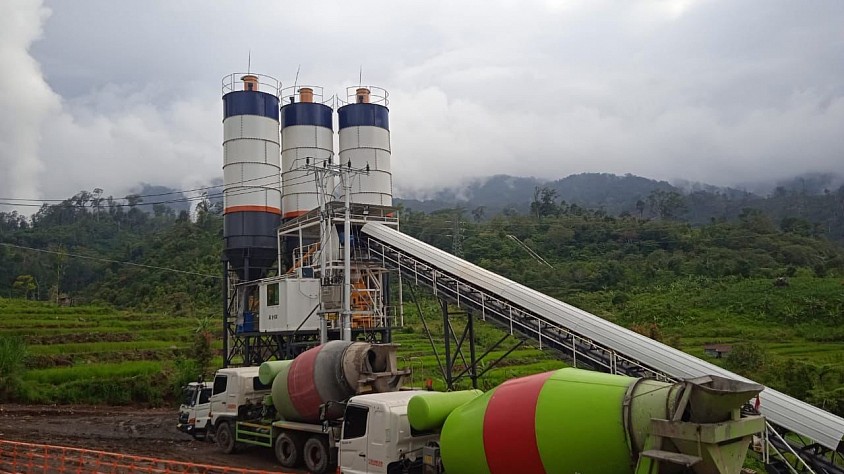
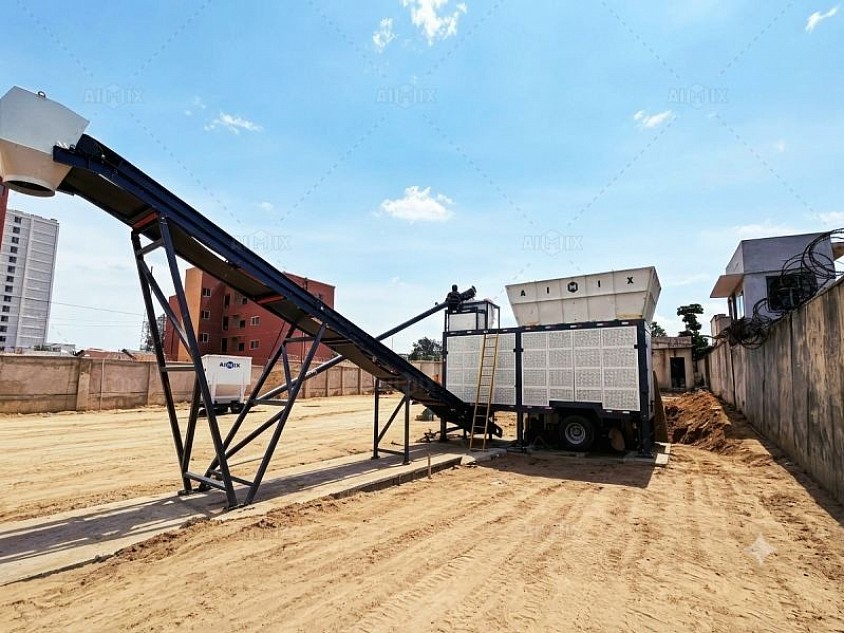
Concrete Batching Plant in UAE with Containerized Structure: Improving Transportation Efficiency
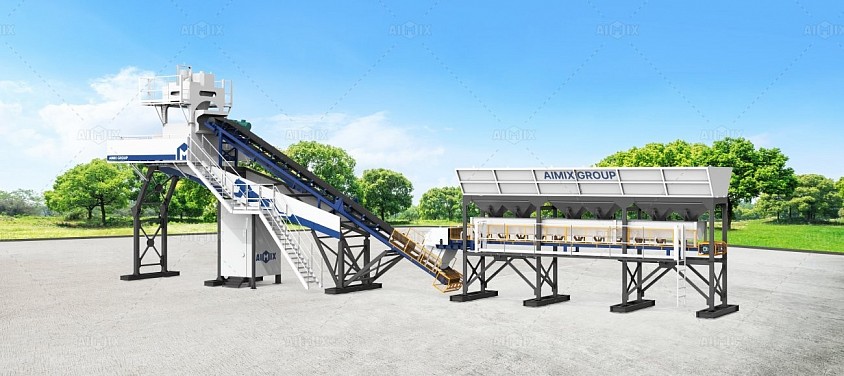
The construction industry in the UAE is known for large-scale infrastructure development, rapid project schedules, and challenging desert conditions. For contractors working on multiple projects across different locations, transportation efficiency has become an important factor when selecting concrete production equipment. A concrete batching plant in UAE with a containerized structure provides a flexible solution by simplifying transportation, reducing installation complexity, and improving project mobility. Compared with traditional batching plants, containerized designs help contractors save logistics costs while achieving faster deployment on construction sites. In particular, the development of the fast installation concrete batching plant concept has further improved efficiency for projects requiring quick concrete supply.
Why Containerized Structure Matters for UAE Construction Projects
Many UAE construction projects are located in remote areas, industrial zones, or rapidly developing regions where equipment needs to be transported and installed within limited timeframes. Traditional concrete batching plants often require complex dismantling processes and multiple transportation arrangements when moving between sites.
A containerized concrete batching plant is designed with transportation requirements in mind. Major components are integrated into compact modules that can be easily loaded, transported, and installed. This structure reduces the number of transport vehicles required and makes overseas shipping or domestic relocation more convenient.
For contractors managing multiple projects, a containerized design allows one plant to serve different construction sites throughout its service life, improving equipment utilization and investment returns.
Reducing Transportation Costs with Compact Design
Transportation is a significant part of the total investment when importing or relocating construction equipment. Oversized structures may require special transportation permits, additional vehicles, and complicated logistics planning.
A containerized concrete batching plant in UAE reduces these challenges through optimized dimensions and modular packaging. Components are designed to fit standard transportation methods, helping reduce shipping expenses and simplifying movement between locations.
This advantage is especially valuable in the UAE, where construction projects can be distributed across different emirates, including Dubai, Abu Dhabi, Sharjah, and remote desert areas. A plant that can be transported efficiently gives contractors greater flexibility when responding to new project opportunities.
Faster Installation for Short-Term and Urgent Projects
Construction schedules in the UAE are often demanding, and delays in concrete supply can directly affect project progress. A traditional stationary plant may require extensive foundation work and longer preparation periods before production begins.
A containerized structure supports faster installation because many components are pre-assembled before delivery. After arriving at the site, operators mainly need to complete positioning, connection, and commissioning procedures.
This is one of the main advantages of a fast installation concrete batching plant. By reducing installation time, contractors can start concrete production earlier and avoid unnecessary project delays. This solution is particularly suitable for temporary construction sites, infrastructure projects, and emergency construction requirements.
Improving Mobility for Multiple Construction Sites
The UAE construction market includes a wide range of projects, from residential developments and commercial buildings to highways and industrial facilities. Contractors often need equipment that can adapt to changing project locations.
A containerized batching plant provides better mobility compared with conventional fixed plants. When one project is completed, the plant can be relocated to another site with fewer dismantling requirements.
This flexibility allows companies to maximize equipment usage instead of investing in separate plants for every project. For contractors handling multiple contracts simultaneously, mobility becomes a key factor in improving operational efficiency.
Maintaining Stable Concrete Production in Desert Conditions
Although transportation efficiency is important, equipment reliability in UAE climate conditions is equally critical. High temperatures, dust, and long working hours can affect plant performance if the equipment is not properly designed.
A reliable concrete batching plant in UAE should include durable components, efficient dust protection systems, accurate weighing systems, and stable control technology. Containerized plants can also integrate electrical systems and control cabins into protected modules, helping safeguard sensitive equipment from harsh environmental conditions.
These features allow the plant to maintain consistent production quality even under demanding desert construction conditions.
Supporting Efficient Project Management Through Automation
Modern containerized batching plants are not only designed for easier transportation but also improved operation management. Advanced control systems allow operators to monitor production processes, manage concrete recipes, and maintain accurate material measurements.
Automated weighing and mixing systems reduce human errors and improve concrete consistency. For large UAE projects where quality standards are strict, automation helps contractors maintain reliable concrete performance throughout long production periods.
When combined with a fast installation design, intelligent control technology enables contractors to establish efficient concrete production systems in a shorter timeframe.
Choosing the Right Containerized Concrete Batching Plant Supplier
Selecting the right supplier is an important step before purchasing a concrete batching plant in UAE. Buyers should evaluate not only equipment specifications but also manufacturing experience, customization capability, and after-sales support.
A reliable manufacturer should provide solutions based on project requirements, including production capacity, transportation conditions, climate environment, and future expansion plans. Technical support, spare parts availability, and installation guidance are also essential factors for long-term operation.
Many international contractors choose experienced Chinese manufacturers because they offer competitive equipment solutions, customized designs, and mature export services for different markets.
Final Thoughts
A containerized concrete batching plant in UAE provides an efficient solution for contractors who need flexible transportation, quick installation, and reliable concrete production. Its compact structure reduces logistics challenges while improving equipment mobility across different construction sites.
With the growing demand for faster project execution, the fast installation concrete batching plant concept has become increasingly valuable for modern construction businesses. By combining modular transportation, automated operation, and durable design, containerized batching plants help UAE contractors improve productivity, reduce costs, and achieve greater flexibility in an increasingly competitive construction market.
How to Start a Concrete Business: What Successful Concrete Companies Do Differently
Starting a concrete business requires more than purchasing equipment and supplying concrete to construction sites. While many companies enter the industry with similar goals, successful concrete businesses usually achieve better results because they focus on efficient production systems, reliable service, market positioning, and long-term customer relationships. Understanding what successful companies do differently can help new investors avoid common mistakes and build a more competitive operation.
For entrepreneurs planning to enter markets with continuous construction demand, investing in the right equipment is a key decision. A properly configured concrete batching plant in Malaysia can help businesses produce consistent-quality concrete, reduce transportation costs, and improve delivery efficiency. However, equipment alone does not guarantee success. A profitable concrete business requires careful planning, operational control, and a clear understanding of customer needs.
Successful Companies Research the Market Before Investing
One of the biggest differences between successful concrete companies and new businesses is market research. Experienced operators do not purchase equipment first and search for customers later. Instead, they analyze local construction demand, competitor supply capacity, and potential customer groups before making investment decisions.
Successful companies usually identify areas with strong demand, such as residential development, commercial construction, infrastructure projects, road expansion, and industrial facilities. They also study the types of customers they want to serve, including contractors, developers, government projects, and ready-mix concrete buyers.
For investors entering the Malaysian market, understanding regional construction activity is especially important. Different areas may have different concrete demand patterns. Urban regions may require high-volume supply for buildings and infrastructure, while remote areas may benefit from flexible production solutions that can serve multiple project locations.
They Choose Equipment Based on Business Goals
Many new concrete business owners make the mistake of selecting equipment only based on price or maximum capacity. Successful companies understand that the right batching plant should match their business model, project requirements, and future growth plans.
For example, a company supplying large infrastructure projects may require a high-capacity stationary batching plant with advanced automation and continuous production capability. On the other hand, contractors working on multiple temporary projects may benefit from a mobile concrete batching plant that can be relocated easily.
When selecting a concrete batching plant in Malaysia, successful businesses consider factors such as:
Expected daily concrete demand.
Project location and transportation distance.
Available installation space.
Future expansion plans.
Required concrete quality standards.
Choosing the right equipment configuration helps reduce unnecessary costs while ensuring stable production performance.
They Focus on Concrete Quality and Production Control
Successful concrete companies understand that quality consistency is one of the most important factors in building customer trust. Contractors depend on reliable concrete strength, accurate mixing ratios, and stable supply schedules to keep projects moving.
Professional companies invest in production systems that improve accuracy and efficiency. Modern batching plants with automatic weighing systems, PLC control, and efficient mixers help reduce human errors and maintain consistent concrete quality.
In addition, successful operators establish strict quality control procedures. They regularly inspect raw materials, monitor production parameters, and maintain equipment to prevent unexpected downtime.
A company that consistently delivers high-quality concrete is more likely to gain repeat customers and long-term contracts.
They Build Efficient Delivery and Supply Systems
Concrete is a time-sensitive material, which means production and delivery must work together efficiently. Successful concrete businesses do not focus only on plant output; they also optimize transportation planning.
They carefully manage:
Transit mixer scheduling.
Delivery routes.
Project communication.
Concrete pouring timelines.
Equipment coordination.
Even a high-capacity batching plant cannot operate efficiently if delivery systems are poorly organized. Delayed trucks, traffic issues, or poor scheduling can reduce productivity and increase operating costs.
Companies operating a concrete batching plant in Malaysia often need to consider local transportation conditions, project distances, and regional accessibility when designing their supply system.
They Invest in Long-Term Customer Relationships
Successful concrete companies understand that business growth depends on more than one-time orders. Building strong relationships with contractors, construction companies, and developers creates stable demand and improves business sustainability.
Instead of competing only through low prices, successful companies differentiate themselves through:
Reliable delivery.
Consistent concrete quality.
Professional technical support.
Fast response times.
Flexible solutions for different projects.
In the competitive concrete industry, customers are often willing to pay for dependable service because construction delays can cost significantly more than slightly higher material prices.
They Control Operating Costs Carefully
Profitability in the concrete business depends heavily on cost management. Successful companies continuously monitor expenses related to materials, fuel, labor, maintenance, and equipment operation.
They improve profitability by:
Reducing material waste.
Maintaining equipment regularly.
Optimizing production schedules.
Using energy-efficient equipment.
Increasing plant utilization rates.
A well-managed batching plant can produce more concrete with fewer interruptions, improving the return on investment over time.
When purchasing equipment, successful businesses look beyond the initial price and evaluate the total ownership cost. A cheaper plant may create higher expenses if it requires frequent maintenance or causes production delays.
They Plan for Future Expansion
Successful concrete companies usually think beyond their first project. They choose systems that allow future growth rather than limiting their business potential.
For example, a company may initially start with a medium-capacity batching plant but later expand production capacity as customer demand increases. Modular equipment designs and flexible configurations can make future upgrades easier.
Long-term planning also includes expanding customer networks, improving delivery capabilities, and entering new regional markets.
Conclusion
Learning how to start a concrete business successfully requires understanding the strategies that separate leading companies from average operators. Successful businesses do not rely only on purchasing equipment; they focus on market research, efficient production, quality control, customer relationships, cost management, and future expansion. For investors planning to establish a concrete batching plant in Malaysia, choosing the right equipment configuration and building a reliable operational system are essential steps toward long-term profitability. By following proven business practices, new concrete companies can create a stronger foundation and compete effectively in the growing construction industry.
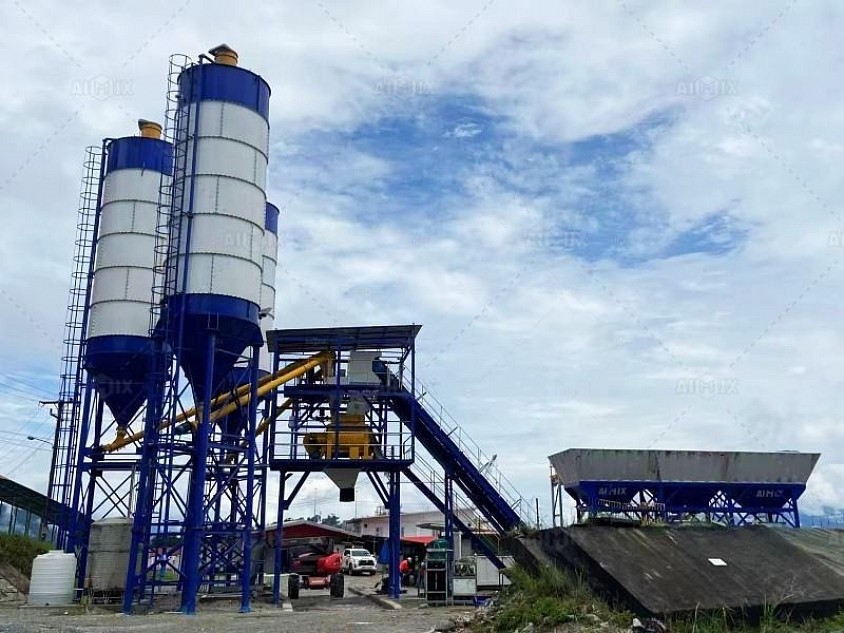
Why Concrete Batching Plant Price Differs Between Southeast Asia, Africa, and the Middle East
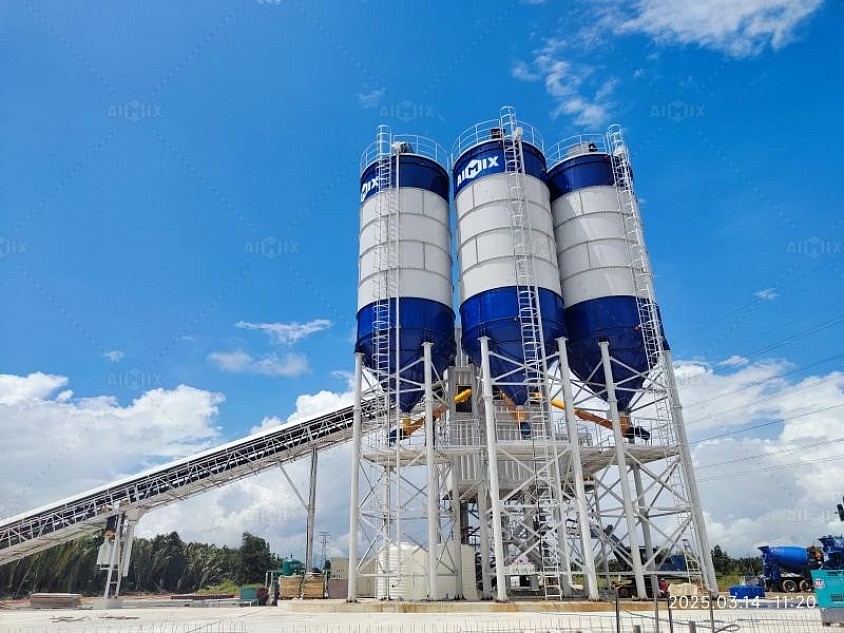
The concrete batching plant price varies significantly between Southeast Asia, Africa, and the Middle East because the final investment depends on much more than the equipment itself. Factors such as local construction demands, transportation conditions, climate requirements, technical configurations, and after-sales services all influence the total cost. For international buyers searching for harga concrete batching plant, understanding these regional differences can help them evaluate quotations more accurately and choose a suitable solution based on project requirements rather than focusing only on the initial purchase price.
Different Construction Demands Affect Concrete Batching Plant Price
The construction industry in Southeast Asia, Africa, and the Middle East has different characteristics, which directly affect the configuration and price of concrete batching plants. In Southeast Asia, countries such as Indonesia, Malaysia, the Philippines, and Thailand have diverse construction activities, including residential buildings, commercial projects, roads, bridges, and industrial developments. Many contractors prefer cost-effective solutions with flexible installation and operation features.
Due to limited construction space and the increasing demand for infrastructure projects, mobile concrete batching plants are widely used in Southeast Asian markets. Compact designs, easy transportation, and quick installation help contractors reduce project preparation costs. However, tropical weather conditions, including high humidity and heavy rainfall, may require additional anti-corrosion treatment, waterproof electrical components, and improved protection systems, which can influence the harga concrete batching plant.
African construction markets often focus on large-scale infrastructure, mining, highway, and urban development projects. Many projects are located in remote areas where equipment reliability and durability are more important than simply reducing the initial investment. Customers may choose larger aggregate storage systems, stronger structures, and heavy-duty components to ensure stable operation under challenging conditions.
The Middle East market usually has higher requirements for equipment performance and automation. Large construction companies and ready-mix concrete suppliers often need fully automatic batching systems, accurate weighing systems, dust control solutions, and advanced management functions. These additional technologies increase the overall concrete batching plant price but provide higher production efficiency and operational stability.
Transportation and Logistics Costs Create Regional Price Differences
Transportation is another important factor affecting the final concrete batching plant price. Since many batching plants are manufactured in China and exported worldwide, shipping distance, container costs, port handling fees, and inland transportation expenses can create noticeable differences between regions.
For Southeast Asian customers, logistics costs are usually more competitive because of shorter shipping distances and frequent transportation routes between China and Southeast Asia. Countries located close to major Chinese ports can often receive more favorable delivery costs, making the overall investment relatively lower.
In African markets, transportation expenses can represent a larger part of the project budget. Many African construction sites are far from coastal ports, requiring additional inland transportation after the equipment arrives. Difficult road conditions and remote project locations may require special logistics arrangements, increasing the total project cost.
Although Middle Eastern countries have developed port and transportation infrastructure, some construction projects are located in desert regions or remote industrial zones. Additional transportation, site preparation, and installation requirements may increase the final investment. Therefore, buyers comparing harga concrete batching plant should consider the complete delivery cost rather than only the factory quotation.
Climate Conditions Influence Equipment Configuration
Different environmental conditions require different batching plant designs, which also affect pricing. A standard concrete batching plant may not always be suitable for every region without modifications.
In Southeast Asia, high temperature, humidity, and rainfall can affect electrical systems and steel structures. Buyers may require waterproof control cabinets, corrosion-resistant components, and improved sealing systems. These upgrades slightly increase equipment costs but help maintain reliable operation in tropical environments.
Africa has a wide range of climates, including deserts, dry regions, and tropical areas. In dusty environments, concrete batching plants may need stronger dust prevention systems and more durable components. For mining and infrastructure projects requiring continuous production, customers often select higher-quality equipment to reduce downtime and maintenance costs.
The Middle East faces extreme heat and dusty conditions, especially in desert areas. Concrete batching plants used in these environments often require special cooling solutions, dust-proof designs, and high-performance electrical components. These additional requirements are important reasons why concrete batching plant prices in some Middle Eastern markets are higher than standard configurations.
Equipment Configuration and Automation Level Affect Investment
The configuration of a concrete batching plant has a direct impact on the final price. Even plants with the same production capacity can have different prices because of differences in mixers, storage systems, weighing accuracy, and automation levels.
For many Southeast Asian contractors, practical configurations are usually preferred. Standard twin shaft mixers, suitable cement storage capacity, and reliable automatic control systems can meet most project requirements while keeping investment reasonable.
African customers often prioritize long-term durability and easy maintenance. Since some projects operate far from service centers, customers may choose larger cement silos, stronger structures, backup systems, and additional spare parts. Although these options increase the initial concrete batching plant price, they help improve equipment availability.
In the Middle East, automation and production management are usually key considerations. Ready-mix suppliers may require advanced PLC control systems, remote monitoring, precise weighing systems, and data management functions. These technologies improve production efficiency but also increase the overall harga concrete batching plant.
Service Support and Installation Requirements Impact Total Cost
The total investment of a concrete batching plant includes not only equipment costs but also installation, commissioning, training, and after-sales support. Different regions have different expectations for supplier services.
In Southeast Asia, customers can often access relatively convenient technical support because of geographical advantages and established supplier networks. This helps reduce installation and maintenance costs.
For African projects, especially remote infrastructure projects, customers may need stronger technical support, professional installation guidance, and additional spare parts. These service requirements can increase the overall project budget but provide better operational security.
Middle Eastern customers usually expect comprehensive service packages, including installation supervision, operator training, and long-term technical assistance. These services add value to the investment and are often considered when comparing different concrete batching plant price quotations.
How to Choose the Right Concrete Batching Plant Price
Although concrete batching plant prices differ between Southeast Asia, Africa, and the Middle East, the most suitable choice depends on project requirements, operating environment, and long-term benefits. A lower initial price does not always mean a better investment if the equipment cannot meet production demands or requires frequent maintenance.
When evaluating harga concrete batching plant, buyers should consider production capacity, equipment configuration, climate adaptability, transportation costs, and supplier support. Choosing a batching plant that matches local conditions can help achieve higher efficiency, lower operating costs, and better long-term returns.
How Foldable Structures Improve Logistics for a Quick Installation Concrete Batching Plant
Modern construction projects demand equipment that can be transported, installed, and put into operation as quickly as possible. A quick installation concrete batching plant addresses these requirements by combining modular engineering with compact structural designs that simplify logistics and reduce project preparation time. Among these innovations, foldable structures have become one of the most valuable features because they significantly improve transportation efficiency, minimize installation work, and lower overall project costs. As a leading China concrete batching plant manufacturer, AIMIX incorporates foldable and modular concepts into its quick installation solutions to help contractors deploy concrete production more efficiently across different project locations.
Why Logistics Matter for Concrete Batching Plant Projects
Transportation is often one of the largest hidden costs when purchasing a concrete batching plant. Besides freight expenses, contractors must consider loading efficiency, customs handling, unloading, on-site assembly, and the equipment required during installation. Poor logistics planning can delay project schedules before concrete production even begins.
Foldable structures help solve these challenges by allowing major components to be transported in a more compact configuration. Instead of shipping oversized assemblies that require special handling, the equipment can be folded or pre-integrated at the factory, reducing transport volume while protecting critical components. This streamlined approach shortens the entire delivery cycle from manufacturing to commissioning.
How Foldable Structures Reduce Transportation Costs
One of the biggest advantages of foldable structural design is maximizing container utilization. Traditional batching plants often require additional containers because support frames, platforms, and structural components occupy considerable shipping space. Foldable modules significantly reduce the transport footprint, allowing more equipment to fit within standard containers.
For international projects, fewer containers directly translate into lower ocean freight, port handling charges, inland transportation costs, and customs processing expenses. Contractors can also reduce the complexity of coordinating multiple shipments, making project planning more predictable.
In addition, compact transportation reduces the risk of damage during shipping. Factory-integrated modules remain securely connected throughout transportation, minimizing repeated disassembly and protecting electrical wiring, hydraulic systems, and mechanical components.
Faster Installation Through Pre-Assembled Modules
Foldable structures are closely connected with modular manufacturing. Instead of assembling every steel structure individually on-site, manufacturers complete much of the work before shipment. Many structural frames, platforms, walkways, and support systems arrive ready to unfold and secure.
As a result, contractors spend less time performing alignment, welding, or structural adjustments at the construction site. Installation becomes a straightforward process of positioning, unfolding, connecting utilities, and commissioning the equipment.
This approach is especially valuable for projects with tight construction schedules. A quick installation concrete batching plant allows concrete production to begin much sooner than traditional designs, helping contractors avoid costly delays while improving equipment utilization.
Improving Site Efficiency and Labor Productivity
Construction sites often have limited space and limited access to skilled installation crews. Foldable structures simplify on-site work by reducing the number of components that must be assembled individually.
With fewer loose structural parts, installation teams can organize equipment more efficiently, reduce lifting operations, and improve overall safety during assembly. Heavy cranes remain on site for shorter periods, reducing equipment rental costs while minimizing interference with other construction activities.
Simplified installation also reduces dependence on highly specialized technicians. Standardized factory-built modules improve assembly consistency and lower the risk of installation errors, contributing to more reliable plant performance after commissioning.
Better Flexibility for Multi-Project Operations
Many contractors relocate batching plants as projects are completed. For companies serving highways, bridges, municipal infrastructure, or industrial developments, equipment mobility directly affects profitability.
A quick installation concrete batching plant with foldable structures can be dismantled, transported, and redeployed more efficiently than conventional stationary plants. The compact transport configuration simplifies relocation while reducing both labor requirements and transportation expenses.
This flexibility allows contractors to maximize equipment utilization across multiple projects rather than investing in separate plants for different locations. Over the equipment's service life, improved mobility contributes to lower ownership costs and faster returns on investment.
Why Foldable Design Reflects Modern Manufacturing
Foldable structural technology represents more than transportation convenience—it reflects advancements in engineering, manufacturing precision, and modular construction concepts.
Modern manufacturers use digital design tools and precision fabrication processes to ensure structural strength while reducing assembly complexity. Components are designed for repeated transportation and deployment without compromising stability or production performance.
As an experienced China concrete batching plant manufacturer, AIMIX applies modular engineering concepts to optimize equipment transportation, installation, and long-term operation. The combination of foldable structures, factory pre-assembly, and standardized production enables customers to reduce project preparation time while maintaining reliable concrete production capacity.
Conclusion
Foldable structures have transformed the logistics of modern concrete batching plants by making transportation more compact, installation faster, and relocation significantly easier. These advantages help contractors reduce shipping costs, improve labor efficiency, shorten project schedules, and maximize equipment utilization across multiple construction sites. For companies seeking higher operational efficiency, a quick installation concrete batching plant with foldable structural design provides a practical long-term solution. By partnering with an experienced China concrete batching plant manufacturer like AIMIX, contractors can benefit from advanced modular technologies that simplify logistics while supporting reliable and efficient concrete production.
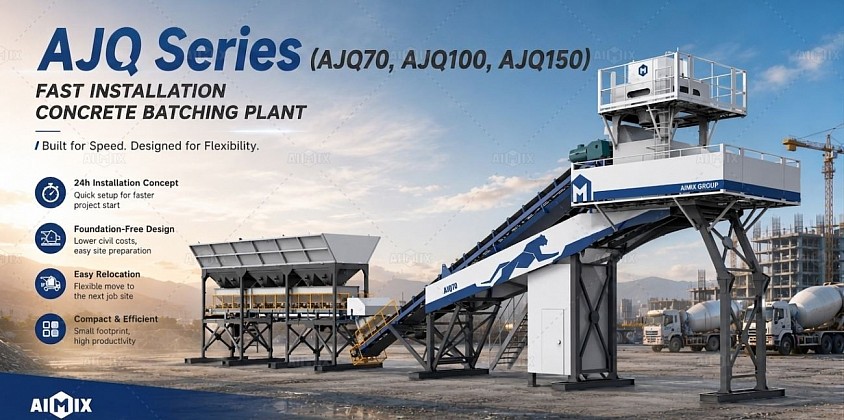
Energy-Efficient Concrete Batch Plants for Sale: Lower Fuel and Electricity Consumption
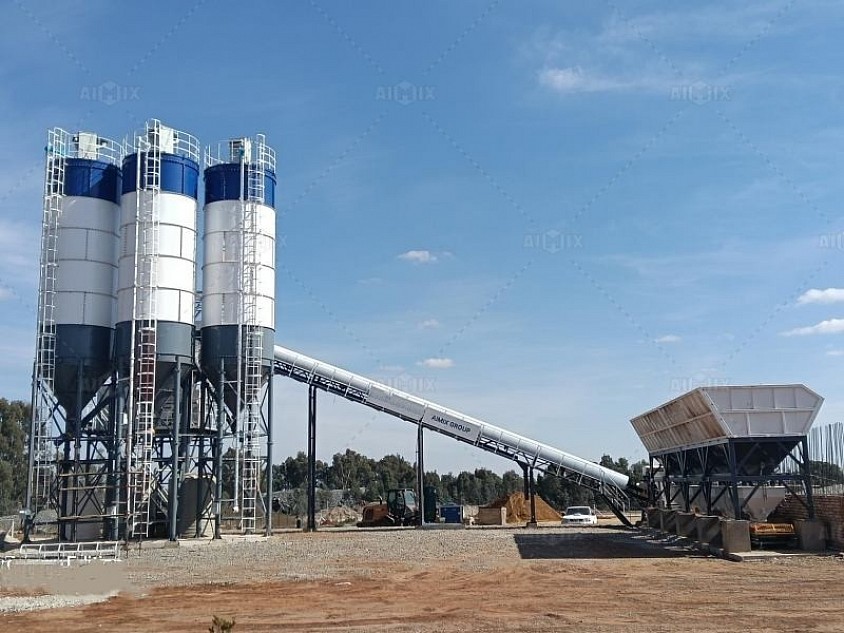
As energy prices continue to rise, reducing operating costs has become a top priority for concrete producers and construction contractors. While many buyers focus on the initial purchase price, the long-term expenses associated with electricity and fuel often have a much greater impact on the total cost of ownership. Investing in energy-efficient concrete batch plants for sale can help businesses lower production costs while maintaining consistent concrete quality and high productivity.
Modern batching plants incorporate advanced technologies such as intelligent automation, high-efficiency mixers, variable frequency drives, and optimized material handling systems to minimize energy consumption without sacrificing performance. Whether you operate a ready-mix company or are looking for a concrete batching plant for sale Australia, understanding the factors that influence energy efficiency will help you select equipment that delivers better long-term value.
Why Energy Efficiency Matters in Concrete Production
Energy consumption is one of the largest ongoing expenses in concrete manufacturing. Mixers, aggregate conveyors, screw conveyors, compressors, dust collectors, and water pumps all require continuous power during production. Even small improvements in equipment efficiency can generate significant savings over thousands of production hours each year.
Lower energy consumption also contributes to greater environmental sustainability. Many construction companies are working to reduce carbon emissions and comply with increasingly strict environmental regulations. Choosing an energy-efficient batching plant not only reduces electricity and fuel usage but also supports greener construction practices.
In addition, energy-efficient equipment typically operates more smoothly and places less stress on mechanical components. This reduces wear and tear, lowers maintenance costs, and extends the overall service life of the plant.
High-Efficiency Twin Shaft Mixers
The concrete mixer is one of the most energy-intensive components of any batching plant. Modern twin shaft mixers are designed with optimized blade arrangements and mixing chambers that improve material circulation, allowing concrete to reach the desired consistency in a shorter period.
Because mixing cycles are shorter, the mixer motor consumes less electricity per batch while maintaining excellent mixing quality. Faster batch completion also increases hourly production capacity, enabling contractors to produce more concrete without increasing power consumption.
In addition, wear-resistant mixing blades maintain high efficiency over long operating periods. Consistent mixing performance helps reduce unnecessary energy losses caused by worn components or uneven material distribution.
Intelligent PLC Control Systems
Modern PLC control systems automatically coordinate every stage of the batching process, including aggregate weighing, cement feeding, water dosing, additive measurement, and mixing. Automation minimizes human error while ensuring every batch is produced according to the required recipe.
The system continuously monitors equipment operation and adjusts production parameters in real time. By eliminating unnecessary idle time and reducing waiting between production stages, automated control systems significantly improve overall energy efficiency.
Many intelligent systems also record production data and equipment status. Operators can identify abnormal power consumption, schedule maintenance proactively, and optimize production planning, further reducing operating costs.
Variable Frequency Drives (VFDs)
Variable frequency drives allow motors to operate at speeds that match actual production demand instead of running continuously at full power. This technology is commonly used on conveyor belts, screw conveyors, water pumps, and ventilation fans.
During periods of lower production, VFDs automatically reduce motor speed, lowering electricity consumption while maintaining stable operation. Soft starting also reduces sudden electrical loads and mechanical shock, extending equipment lifespan.
Besides energy savings, variable frequency drives contribute to quieter operation, smoother equipment performance, and reduced maintenance requirements, making them an important feature of modern batching plants.
Efficient Aggregate Feeding Systems
Aggregate feeding directly influences production efficiency. Depending on project requirements, batching plants may use belt conveyors or hopper lifting systems to transport aggregates to the mixer.
An optimized feeding system minimizes material waiting time and ensures a continuous supply of aggregates during production. Smooth material flow allows the mixer to operate more efficiently while avoiding unnecessary motor operation caused by production interruptions.
Proper equipment selection is equally important. Choosing the feeding method that matches plant capacity and site conditions helps maximize productivity while reducing electricity consumption.
Optimized Material Handling
Material handling extends beyond aggregate feeding and includes cement conveying, water supply, and additive transportation throughout the batching process. Poorly designed conveying systems can increase friction, overload motors, and waste energy.
Modern batching plants use high-quality bearings, low-resistance rollers, and optimized conveyor layouts to reduce power requirements. Shorter conveying distances and efficient equipment layouts further minimize unnecessary energy loss.
Reliable material handling not only improves energy efficiency but also reduces maintenance requirements and enhances production stability, especially during continuous large-volume concrete production.
Dust Collection Systems with Lower Power Consumption
Environmental protection has become an essential consideration for modern concrete production. Efficient dust collection systems help maintain clean working environments while reducing material loss during batching.
Advanced pulse dust collectors achieve excellent filtration performance while using less electricity than traditional systems. Their optimized fan designs require lower power while maintaining effective dust removal.
Keeping equipment clean also improves operating efficiency. Reduced dust accumulation minimizes component wear, helps electrical systems operate more reliably, and lowers maintenance costs over time.
Proper Equipment Matching Improves Efficiency
Selecting the correct batching plant configuration is just as important as choosing energy-efficient components. Oversized equipment often consumes more electricity than necessary, while undersized plants may operate continuously under heavy loads, increasing energy consumption.
Factors such as daily production volume, project duration, aggregate characteristics, transportation methods, and future business expansion should all be considered during equipment selection. A properly matched plant delivers maximum productivity with minimum energy waste.
Working with an experienced manufacturer can help buyers customize plant configurations that balance production capacity, operational flexibility, and long-term operating costs.
Maintenance Plays an Important Role
Even the most advanced batching plant cannot maintain high energy efficiency without regular maintenance. Routine inspections help ensure all equipment continues operating at its designed performance level.
Key maintenance tasks include lubricating moving parts, replacing worn mixer blades, cleaning conveyors, checking motor alignment, calibrating weighing systems, and inspecting electrical connections. These preventive measures reduce unnecessary power consumption caused by mechanical resistance or inaccurate operation.
Scheduled maintenance also minimizes unexpected breakdowns and extends equipment lifespan, helping operators avoid costly downtime while maintaining consistent production efficiency.
Choosing the Right Concrete Batching Plant for Sale Australia
For buyers seeking a concrete batching plant for sale Australia, energy efficiency is particularly important because many projects operate in remote areas where diesel generators provide the primary power source. Lower energy consumption directly reduces fuel costs and improves project profitability.
Australian contractors should also consider local environmental regulations, transportation distances, climate conditions, and project mobility when selecting equipment. Mobile and modular batching plants equipped with intelligent control systems can provide excellent flexibility while maintaining efficient power usage.
Reliable after-sales service, spare parts availability, and technical support are equally important. A well-supported batching plant maintains high operating efficiency throughout its service life and reduces long-term maintenance expenses.
Long-Term Savings Outweigh Initial Investment
Although energy-efficient batching plants may require a slightly higher initial investment, they often deliver substantial financial benefits throughout their operating life. Reduced electricity consumption, lower fuel usage, shorter production cycles, and decreased maintenance costs all contribute to lower total ownership costs.
As construction businesses continue to face increasing operating expenses, focusing solely on equipment purchase price is no longer sufficient. Evaluating lifecycle costs provides a more accurate picture of overall investment value.
Companies that invest in efficient equipment often recover the additional purchase cost within a relatively short period through ongoing operational savings and higher production efficiency.
Conclusion
Energy efficiency has become a defining feature of modern concrete batch plants for sale. From advanced twin shaft mixers and intelligent PLC control systems to variable frequency drives and optimized material handling, today's batching plants are designed to maximize productivity while minimizing fuel and electricity consumption. These technologies not only lower operating costs but also improve equipment reliability, reduce maintenance requirements, and support more sustainable concrete production.
If you are considering a concrete batching plant for sale Australia, evaluating energy-saving features should be an essential part of your purchasing decision. A well-designed, energy-efficient batching plant delivers long-term value through lower operating expenses, greater production stability, and higher return on investment, making it a smart choice for contractors and ready-mix producers seeking sustainable business growth.
Why International Experience Matters When Choosing a Concrete Batching Plant Company
Choosing the right supplier is one of the most important decisions when investing in concrete production equipment. A reliable concrete batching plant company does more than provide machinery; it delivers complete solutions that include equipment selection, engineering support, installation guidance, and after-sales service. For companies planning large construction projects or expanding ready-mix concrete businesses, working with a supplier that has international experience can significantly reduce risks and improve project success. When searching for concrete batching plants for sale, buyers should consider not only product specifications and prices but also the supplier’s global project experience, technical capability, and ability to handle different market requirements.
Understanding Different Construction Environments and Requirements
International experience allows a concrete batching plant company to understand the diverse challenges that construction projects may face in different regions. Construction conditions vary significantly depending on climate, regulations, raw materials, transportation infrastructure, and project types.
A company with global project experience has likely worked with customers in various environments, including hot and humid regions, cold climates, remote mining areas, and large urban construction sites. This experience helps suppliers recommend suitable equipment configurations, such as corrosion-resistant components for coastal areas, dust control systems for dry regions, or customized layouts for limited construction spaces.
For buyers looking at concrete batching plants for sale, choosing an internationally experienced supplier means gaining access to solutions that have already been tested in different working conditions rather than relying only on standard equipment designs.
Providing Better Equipment Selection and Customization
Every construction project has unique requirements regarding concrete output, installation space, material availability, and production methods. A professional concrete batching plant company with international experience can provide more accurate recommendations based on previous projects.
For example, large infrastructure projects may require high-capacity stationary batching plants, while remote construction sites may benefit from mobile or modular solutions. Ready-mix suppliers may need highly automated systems to improve production efficiency, while smaller contractors may prioritize compact designs and easier installation.
A supplier familiar with global markets understands these differences and can customize equipment configurations according to local needs. This ensures that customers invest in a batching plant that matches their actual production goals instead of purchasing unnecessary features or unsuitable equipment.
Adapting to International Standards and Regulations
Different countries have different requirements regarding equipment safety, environmental protection, electrical systems, and construction standards. A concrete batching plant company with international experience is more familiar with these regulations and can design equipment that meets local compliance requirements.
For overseas buyers searching for concrete batching plants for sale, this advantage is particularly important. Equipment that works well in one market may require adjustments before being installed in another country. Experienced suppliers understand how to adapt control systems, electrical components, safety features, and environmental solutions based on regional standards.
This reduces potential delays caused by compliance issues and helps customers complete installation and operation more smoothly.
Reliable Installation and Technical Support
Installing a concrete batching plant in another country involves many challenges, including transportation coordination, site preparation, equipment assembly, and operator training. International experience enables suppliers to develop efficient installation processes and provide effective technical guidance.
A professional supplier can offer detailed installation drawings, operation manuals, remote technical assistance, and on-site support when necessary. This ensures that customers can start production quickly after equipment arrival.
For companies investing in concrete batching plants for sale, after-sales support is just as important as equipment quality. A supplier with experience serving global customers usually has stronger service capabilities and a better understanding of common problems that may occur during operation.
Managing International Logistics and Project Delivery
Global projects require strong supply chain management and export experience. A concrete batching plant company that frequently works with international customers understands how to handle equipment packaging, shipping arrangements, customs documentation, and delivery schedules.
Large batching plants often include multiple components, such as mixers, aggregate bins, cement silos, conveyors, and control systems. Proper transportation planning is essential to avoid damage and ensure that all parts arrive safely at the construction site.
Experienced suppliers can coordinate the entire delivery process more efficiently, helping customers reduce waiting time and avoid unnecessary costs caused by logistics issues.
Building Long-Term Partnerships with Global Customers
International experience also reflects a company’s ability to build lasting relationships with customers from different markets. Suppliers that successfully complete projects worldwide usually have stronger technical teams, mature production systems, and a deeper understanding of customer expectations.
For businesses purchasing concrete batching plants for sale, partnering with an experienced company means more than buying equipment. It creates access to continuous technical support, future upgrades, spare parts supply, and professional advice throughout the equipment’s service life.
A long-term partnership can help concrete producers improve operational efficiency and maintain stable production as their business grows.
Conclusion
International experience is a valuable factor when choosing a concrete batching plant company. Suppliers with global project experience can provide better equipment recommendations, customized solutions, compliance support, reliable installation services, and efficient project delivery. For buyers exploring concrete batching plants for sale, evaluating a supplier’s international background can help reduce investment risks and ensure better long-term performance. Selecting a company with proven global capabilities allows businesses to gain not only high-quality equipment but also the technical expertise and support needed for successful concrete production in different markets.
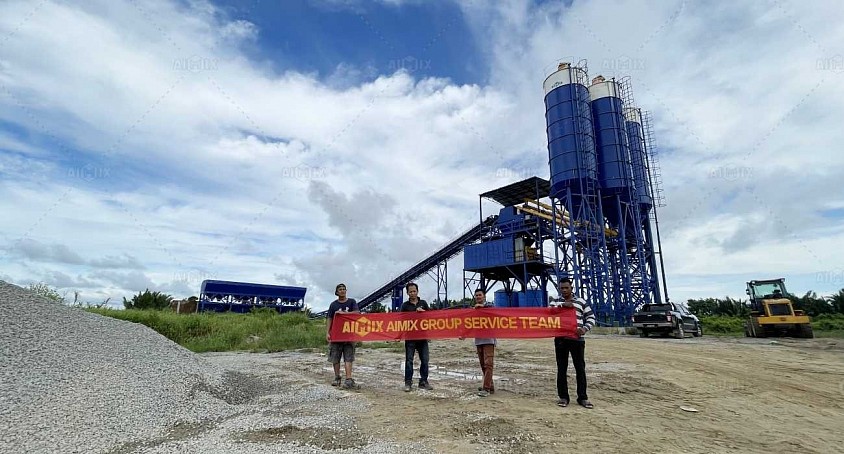
Long-Term Business Benefits of Working with Professional Concrete Batching Plant Suppliers
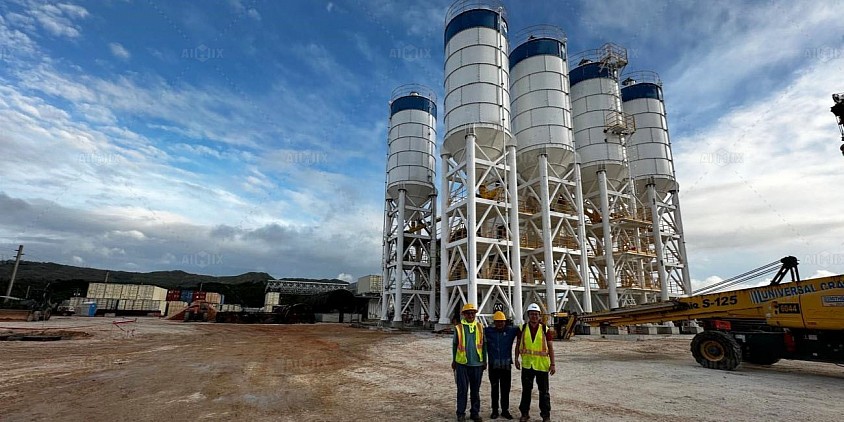
Choosing the right concrete batching plant suppliers is one of the most important decisions for construction companies, ready-mix concrete producers, and infrastructure contractors. A batching plant is a long-term investment that directly affects production efficiency, concrete quality, operating costs, and overall business profitability. While many buyers focus primarily on equipment prices, experienced suppliers provide much greater value through reliable equipment, professional technical support, customized solutions, and comprehensive after-sales services. Whether you are sourcing equipment locally or investing in a China concrete batching plant, working with a professional supplier can help your business achieve sustainable growth and long-term success.
Reliable Equipment Supports Consistent Production
Professional concrete batching plant suppliers place great emphasis on manufacturing quality. They use durable steel structures, high-performance mixers, precision weighing systems, and advanced control technologies to ensure every batching plant operates efficiently under demanding construction conditions. Reliable equipment produces consistent concrete quality, helping contractors meet strict project specifications and maintain customer confidence.
In addition to improving product quality, dependable equipment significantly reduces unexpected downtime. Frequent breakdowns can delay construction schedules, increase maintenance costs, and negatively affect customer relationships. By choosing experienced suppliers with proven manufacturing capabilities, businesses can maintain stable production, improve project efficiency, and reduce long-term operational risks.
Lower Operating Costs Throughout the Plant's Service Life
Although premium batching plants may require a higher initial investment, they often generate considerable savings over their operating lifetime. Professional suppliers design equipment with energy efficiency, accurate material weighing, and optimized material handling systems, reducing waste and lowering production costs for every batch of concrete.
Automation also contributes to long-term savings. Modern batching plants automatically control weighing accuracy, mixing time, and material feeding, reducing cement waste and minimizing human error. Combined with lower maintenance requirements and longer component life, these advantages help companies achieve a better return on investment over many years of operation.
Comprehensive Technical Support and After-Sales Service
One of the greatest advantages of working with professional concrete batching plant suppliers is the ongoing technical support they provide. Experienced suppliers assist customers throughout every stage of the project, including equipment selection, installation, commissioning, operator training, and production optimization. This professional guidance allows new plants to begin production quickly while avoiding common installation mistakes.
After the plant becomes operational, continuous support remains equally valuable. Professional suppliers offer remote technical assistance, scheduled maintenance recommendations, software updates, and troubleshooting services whenever problems arise. Many also maintain inventories of genuine spare parts, allowing customers to replace worn components quickly and minimize production interruptions.
Reliable after-sales service not only extends equipment lifespan but also gives business owners greater confidence when managing long-term production operations.
Customized Solutions for Different Project Requirements
Every construction project has different production requirements, making customized solutions an important benefit offered by experienced suppliers. Rather than recommending identical equipment to every customer, professional concrete batching plant suppliers evaluate factors such as production capacity, project duration, available site space, climate conditions, and future expansion plans before proposing the most suitable configuration.
For example, some contractors require high-capacity stationary batching plants for commercial concrete production, while others need mobile batching plants that can be relocated between construction sites. Professional suppliers can also customize aggregate bins, cement silos, mixing systems, and control software according to specific project needs, helping customers maximize production efficiency while avoiding unnecessary investment.
Advanced Technology Improves Long-Term Competitiveness
Today's leading concrete batching plant suppliers continue investing in research and development to improve equipment performance. Intelligent PLC control systems, remote monitoring platforms, automated production management, and real-time operational data have become standard features in many modern batching plants.
These technologies help managers monitor production efficiency, equipment performance, material consumption, and maintenance schedules more effectively. Automation also reduces dependence on manual labor while improving batching accuracy and production consistency. As construction projects become increasingly demanding, businesses equipped with modern technology are better positioned to compete in both local and international markets.
Why Many Buyers Choose a China Concrete Batching Plant
In recent years, the global reputation of the China concrete batching plant industry has grown significantly. Chinese manufacturers have continuously improved manufacturing technology, production quality, and equipment reliability while maintaining highly competitive pricing. This combination allows buyers to obtain advanced batching solutions without exceeding their investment budgets.
Many professional Chinese suppliers also provide complete export services, including equipment customization, international shipping, installation guidance, operator training, and long-term technical support. With expanding overseas service networks and extensive export experience, reputable Chinese manufacturers now supply batching plants for infrastructure, commercial concrete, mining, and industrial projects across Asia, Africa, the Middle East, Latin America, and many other regions.
Building Long-Term Business Partnerships
Professional concrete batching plant suppliers aim to build lasting partnerships instead of simply completing equipment sales. As customers expand production capacity or enter new markets, suppliers continue offering technical consultation, equipment upgrades, production optimization advice, and maintenance support.
Long-term cooperation also benefits both parties by encouraging continuous improvement. Customer feedback helps suppliers develop more efficient equipment, while users gain access to new technologies that further improve productivity and reduce operating costs. Establishing a trusted partnership with an experienced supplier creates a strong foundation for future business development and reduces procurement risks for upcoming projects.
Conclusion
The long-term value of working with professional concrete batching plant suppliers goes far beyond purchasing reliable equipment. High manufacturing standards, lower operating costs, customized solutions, advanced technology, and comprehensive after-sales support all contribute to greater production efficiency and stronger business performance. Whether investing in a local supplier or selecting a China concrete batching plant, choosing an experienced and reliable partner is a strategic decision that can improve profitability, enhance operational stability, and support sustainable business growth for many years to come.
Why Material Selection and Component Quality Influence Mobile Concrete Batching Plant Price
When evaluating mobile concrete batching plant price, many buyers initially focus on production capacity, output volume, and basic configuration. However, one of the most important factors affecting the final cost is the selection of materials and the quality of individual components. A mobile concrete batching plant is exposed to continuous operation, vibration, heavy loads, and changing environmental conditions. The durability of steel structures, reliability of electrical systems, and performance of mechanical components directly determine equipment lifespan, maintenance requirements, and production efficiency. For customers searching for a mobile concrete batching plant for sale in Australia, understanding how material selection and component quality influence price can help them make better investment decisions.
High-Quality Materials Increase Initial Mobile Concrete Batching Plant Price
The materials used in manufacturing directly affect the production cost of a mobile concrete batching plant. High-quality steel structures, corrosion-resistant materials, and durable mechanical components usually require a higher initial investment compared with lower-cost alternatives.
The main frame of a mobile batching plant must support heavy equipment such as mixers, aggregate bins, cement weighing systems, and conveyors. If manufacturers use stronger steel with better load-bearing capacity, the plant can maintain structural stability during transportation and long-term operation. Although this increases the initial mobile concrete batching plant price, it reduces the risk of deformation, cracking, and structural failure.
For projects in regions with demanding working conditions, such as Australia, material quality becomes even more important. Buyers looking for a mobile concrete batching plant for sale in Australia often require equipment that can withstand outdoor operation, temperature changes, dust, and long production cycles. Therefore, higher-quality materials provide better long-term value despite a higher upfront cost.
Component Quality Determines Equipment Reliability
A mobile concrete batching plant consists of many critical components, including mixers, motors, reducers, load cells, control systems, conveyors, and hydraulic systems. The quality of these components has a direct influence on equipment performance and overall investment value.
For example, the mixer is one of the most important parts of a batching plant because it determines concrete mixing efficiency and consistency. High-quality mixing blades, wear-resistant liners, and reliable drive systems can extend service life and reduce replacement frequency. In contrast, lower-quality components may require frequent maintenance, increasing operating costs over time.
Similarly, reliable electrical components and control systems improve production stability. Advanced PLC systems, accurate sensors, and durable electrical cabinets may increase the initial mobile concrete batching plant price, but they help prevent production interruptions and improve operational efficiency.
Better Components Reduce Maintenance and Operating Costs
A lower purchase price may seem attractive, but equipment quality determines the actual cost throughout the plant’s service life. Poor-quality components often lead to frequent breakdowns, higher repair expenses, and unexpected production delays.
For example, low-grade conveyor belts may wear out faster under continuous aggregate transportation. Inferior bearings or motors may fail earlier due to heavy workloads. These failures not only increase maintenance costs but can also delay construction projects and reduce customer satisfaction.
High-quality components are designed for longer service intervals and better resistance to wear. Although manufacturers using premium components may offer a higher mobile concrete batching plant price, customers benefit from reduced downtime, fewer spare parts replacements, and improved production reliability.
Environmental Conditions Affect Component Requirements
Different regions have different requirements for mobile concrete batching plant materials and components. Climate, transportation conditions, and project environments all influence equipment design.
In Australia, many construction projects are located in remote areas where equipment must operate reliably with limited access to maintenance services. A mobile batching plant used in these environments requires strong frames, durable electrical systems, and components capable of handling dust, heat, and long-distance transportation.
This is why customers searching for a mobile concrete batching plant for sale in Australia should not compare suppliers based only on the lowest price. A plant designed with suitable materials and reliable components may have a higher purchase cost but provide better performance in challenging environments.
Advanced Manufacturing Standards Improve Equipment Value
Professional manufacturers understand that component quality is closely related to customer satisfaction and long-term reputation. They use strict quality control procedures to inspect raw materials, test components, and verify equipment performance before delivery.
Factory testing, welding inspections, electrical system checks, and performance trials help ensure that every mobile batching plant meets required standards. These manufacturing processes increase production costs, which are reflected in the final mobile concrete batching plant price.
However, customers receive greater confidence that the equipment will perform efficiently after installation. This reduces project risks and helps ensure stable concrete production.
Balancing Price and Quality When Choosing a Mobile Batching Plant
When purchasing a mobile concrete batching plant, buyers should evaluate the relationship between price and long-term value rather than focusing only on the initial quotation. A cheaper plant with low-quality materials may result in higher expenses through frequent repairs and reduced productivity.
A reliable supplier should provide transparent information about material specifications, component brands, manufacturing processes, and after-sales support. This allows customers to understand what they are paying for and make informed investment decisions.
For businesses planning to purchase a mobile concrete batching plant for sale in Australia, selecting equipment with durable materials and high-quality components is especially important. The right balance between initial cost and long-term performance can significantly improve profitability.
Conclusion
Material selection and component quality are key factors that influence mobile concrete batching plant price because they determine equipment durability, reliability, maintenance requirements, and overall lifecycle value. While premium materials and components may increase the initial investment, they help reduce downtime, improve production efficiency, and extend service life. For buyers exploring a mobile concrete batching plant for sale in Australia, choosing a manufacturer that prioritizes quality over the lowest price can lead to better operational performance and stronger long-term returns. A well-built mobile batching plant is not simply an equipment purchase—it is a long-term investment in reliable concrete production.